AMA Safety Rules Apply
Except as modified herein to be more strict than safety rules promulgated by the Academy of Model Aeronautics (“AMA”), all safety rules of the AMA are hereby incorporated by reference as if fully set forth in this document.
HeliStorm® Community
V1.2 — 2026
Intro · HeliStorm® Contest Kit
Dear Contest Director,
With the input of some of the hobby’s best and most experienced pilots and contest directors, we have created what I hope will be a turnkey “kit” for anyone who wants to host or participate in a fun scale helicopter competition.
Both contest directors and pilots will find a full contest structure, scoring rubric, maneuver diagrams and easy-to-use software needed to run or participate in a HeliStorm®-style scale helicopter contest that tests both flying and static skills. We used full-scale helicopter maneuvers and adopted many others from the current AMA rules, but we changed the emphasis from precision to realism. In addition, we relaxed many standards around who can compete and with what models. In the end, it is my hope that the HeliStorm® Contest Kit will become a free, widely-used asset in our community. With events, we all benefit by upping our skills and enjoying the camaraderie of friendly competitions. This package makes hosting those kinds of events much easier than ever before.
The HeliStorm® Contest Kit works hand-in-glove with LiveJudge™ software, which automates pilot registration, live pilot’s choice voting, and judging while allowing a worldwide audience to see the models, pilots, votes and scores from your event. Be sure to review Section 5 of this package to see how LiveJudge™ can substantially simplify everything about your event whether it’s a high-level contest or a simple fun fly.
Good luck!
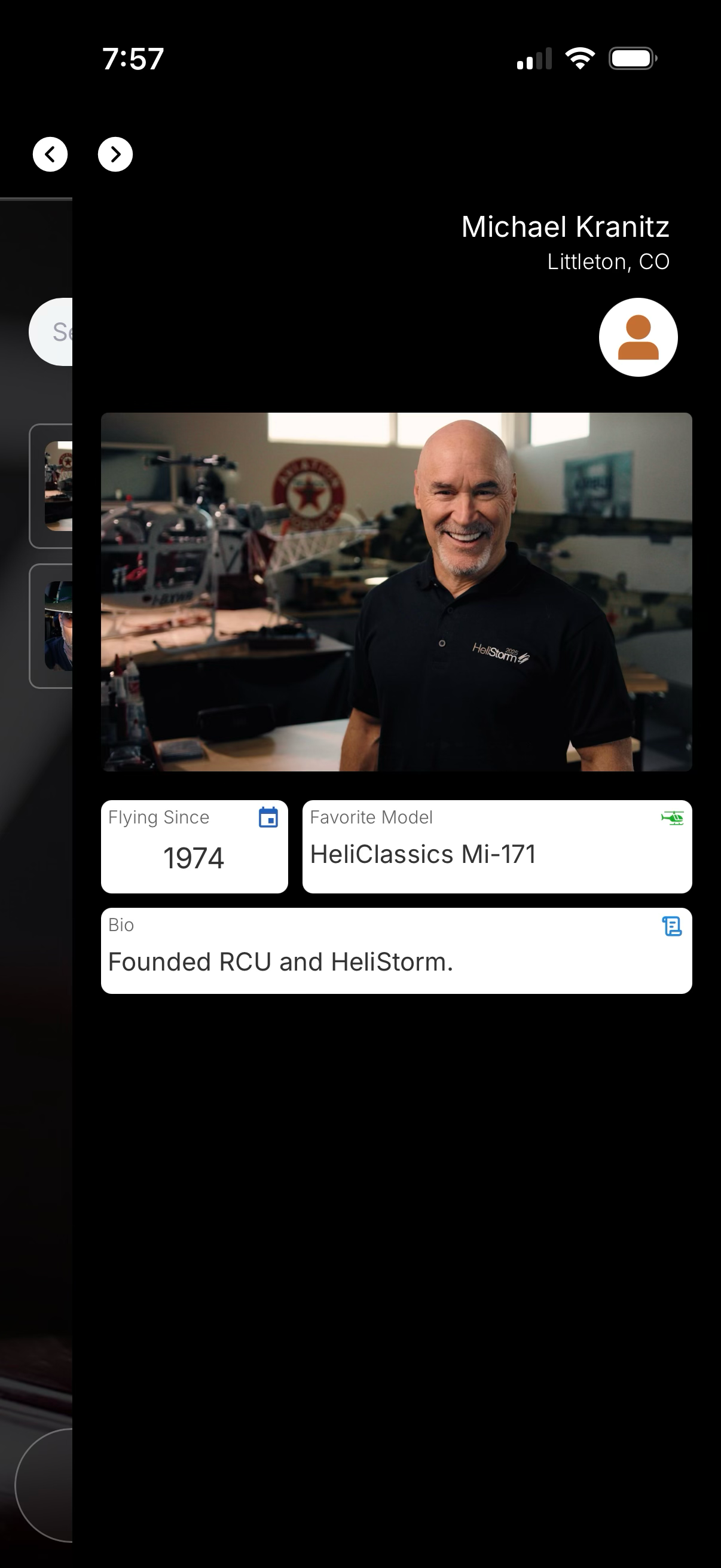
Michael Kranitz, CEO
HeliStorm, Inc.
SAFETY — SECTION 1
Incorporates AMA safety rules in all HeliStorm® events.
Except as modified herein to be more strict than safety rules promulgated by the Academy of Model Aeronautics (“AMA”), all safety rules of the AMA are hereby incorporated by reference as if fully set forth in this document.
All high inertia maneuvers performed close to the flight line must be directed away from the pilot, judges and spectators.
All large model helicopters (as that term is defined in the AMA rules) must have appropriate documentation per Rule 521-A.
All pilots flying turbine-powered models must possess an AMA rotary turbine waiver per Rule 510-A.
SAFETY — SECTION 1
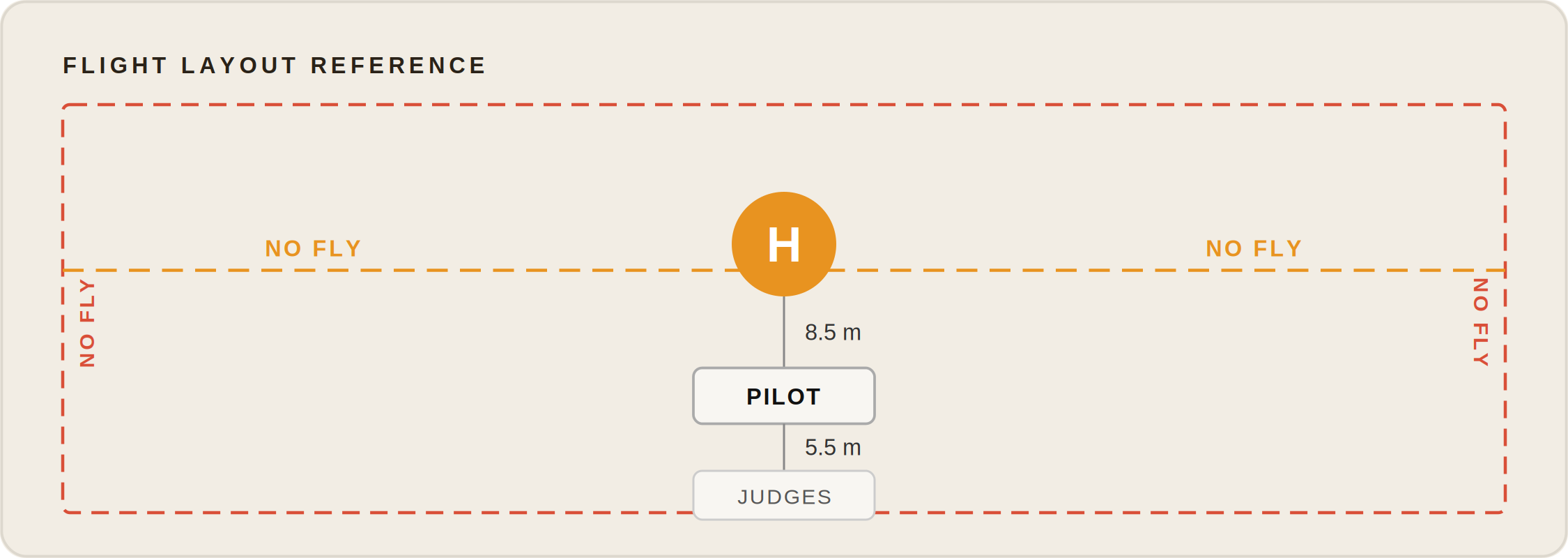
Defines the required spatial separation between flight operations, pilots, judges and spectators during all HeliStorm® sanctioned events.
All models shall take off and land within a 3-meter square area designated by the contest director as the “Helipad.” The center of the Pilot Box will be no less than 8.5 meters from the center of the Helipad in an area designated as the “Pilot Box.”
Pilot BoxJudges will be situated behind the Pilot Box at a distance of no less than 5.5 meters. The judge area is wider than the Pilot Box to enable judges to see around the pilot if needed. Judges are free to stand in order to get a better view of the flight.
Pilot BoxAny pilot who flies their model behind the NO FLY line will be immediately asked to land and shall be disqualified for that round. Flags are recommended for accurate visualization. Judges are advised to confer if there is uncertainty. There are no exceptions to this rule.
Disqualification RiskThe overall designated flight area dimensions may vary by venue but the configuration must remain the same. The contest director will brief all pilots on specific boundaries before flying begins. All relative distance rules between Helipad, Pilot Box, and Judges Area remain constant regardless of venue size.
Pre-Flight BriefingThe overall thrust of the HeliStorm® contest format is realism over precision. Although accuracy in maneuvers is important, realism is the primary goal so measuring precise altitude, angles, etc., is not a priority for judges. Realism is a subjective concept based on how well the model mimics its full-scale counterparts. Jerky movements, excessive speed and violent changes in altitude, orientation or air speed are all indicators of non-realistic flight.
GENERAL FLIGHT RULES — SECTION 2
This section defines what constitutes an official flight for scoring purposes along with constraints and variations.
All flights must begin and end in the Helipad except as otherwise provided in this section. Any UNPLANNED landings will immediately terminate the flight.
Official FlightThe timer or head judge will call the pilot for their flight. The pilot has 5 minutes from the call to have their model inside the helipad and ready for engine start. It is within the discretion of the judge to either disqualify or bump the pilot whose model will not start during the 5-minute period. If bumped, the pilot must take their turn at the end of the list of pilots for that round. If the engine fails to start again within the new 5-minute period, the pilot will be disqualified for that round, but may compete in subsequent rounds.
Official FlightThe flight time for each class will be designated in the LiveJudge™ scoring app and may vary from event to event or class to class (within the same event) at the discretion of the contest director. Time limits should remain constant once set and published for a specific event.
Official FlightA flight is deemed official and subject to scoring once the helicopter leaves the ground. There are no exceptions unless, during the judged flight, circumstances beyond the pilot’s control interfere with the completion of the flight (such as outside interference or severe weather conditions that make completion of the flight unsafe). These circumstances do not include loss of power.
Official FlightEach pilot may be accompanied in the Pilot Box by a caller. The caller may also stand near the judges. The caller may act more like a narrator for both judges and the crowd similar to a play-by-play announcer indicating what maneuvers occur next (e.g. figure skating). The pilot and caller may wear two-way head sets. The caller can coach the pilot if they want to.
The overall thrust of the HeliStorm® contest format is realism over precision. Although accuracy in maneuvers is important, realism is the primary goal of the contest. Pilots and judges should not be overly concerned about precise altitude and angle guidelines. They are simply guidelines. There is no need for the pilot to return to the helipad before executing any maneuver. Pilots will be rewarded (artistic merit) for connecting maneuvers in a smooth manner even if the model must be flown to a particular point in order to begin the next maneuver.
PhilosophySTATIC JUDGING RULES — SECTION 3
This section defines the parameters around static judging.
The contestant shall have up to 5 minutes to demonstrate their model to the judging team. Contestants may cover any topic they believe will interest the judges. For safety, the power plant must be disconnected during this demo. There are no specific requirements for the presentation. Documentation will be considered during the presentation.
In order to qualify for a static award, the pilot must conduct a 1–2 minute hover flight during which the model demonstrates that it can fly out of ground effect (minimum of approximately 2 meters). The pilot is free to perform small left-to-right slides or simply hover.
Official FlightMasters class models should evidence a high level of craftsmanship as evidenced by fit, finish and attention to detail. Scale accessories, cockpit detail, landing gear setup, rotor head, tail rotor, weathering, paint, livery, fuselage detail and pilot figures will all figure into the score. Challenger models will be judged on a similar basis, taking into account how much the model improves on what is delivered by the manufacturer. To put it simply, successful models are ones that look most like full-scale helicopters. Specific criteria and weighting is shown in section 4, below.
Static ScaleCOMPETITION — SECTION 4
The HeliStorm® rubric is designed to accommodate hobbyists of virtually all skill and experience levels. This is reflected in our scoring rules and methods.
All HeliStorm® sanctioned contests must permit pilots to separately compete in classes that feature flying only, static only or “Top Pilot” combinations of the two. A “Top Masters” class, for example, will consist of combined scores from the static and flying sub-classes within that class. A standard competition setup includes two classes; Challenger and Masters.
Open ClassesChallenger is designed for pilots to showcase smooth, fundamental flight control. Challengers can fly anything other than a GPS-controlled model. Gyros are permitted, but the pilot must be flying their model. No experience threshold.
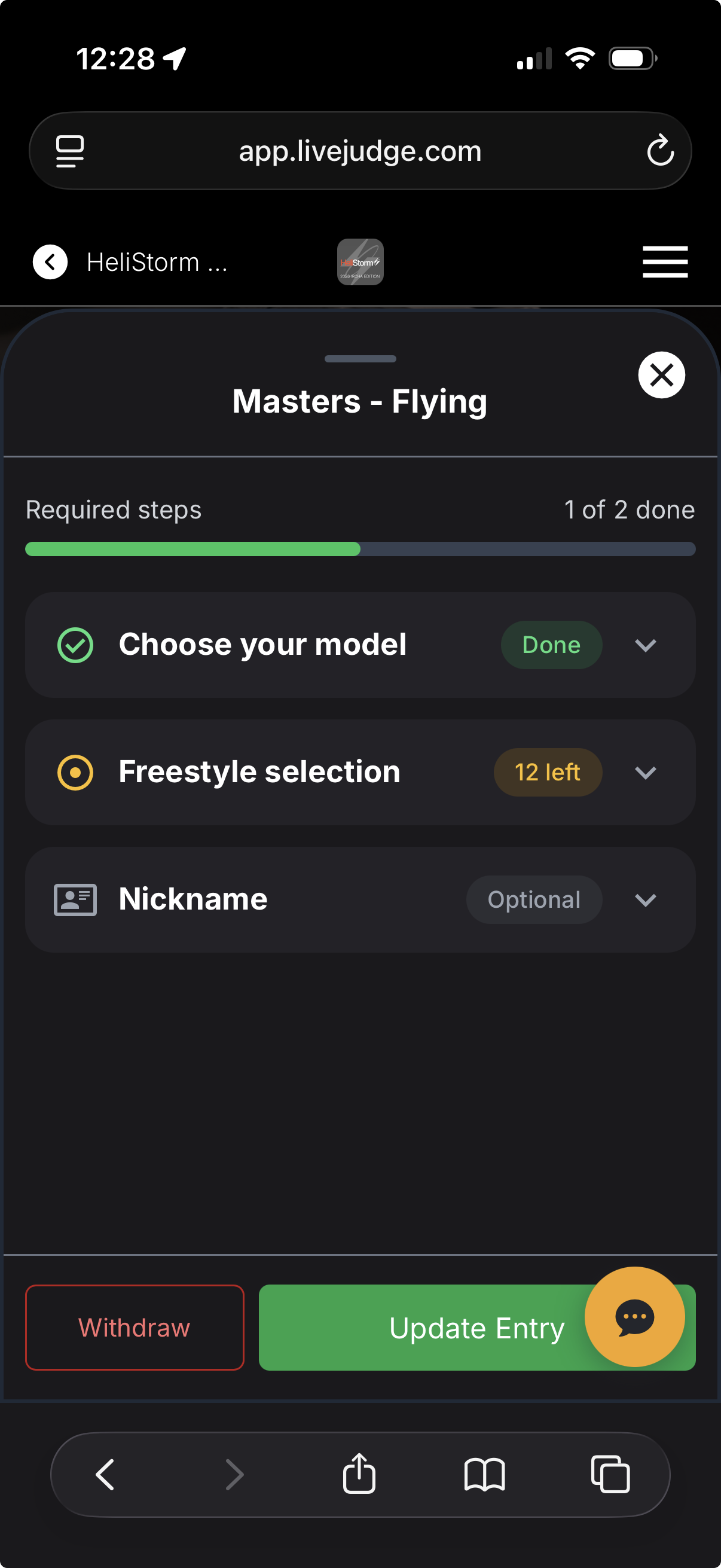
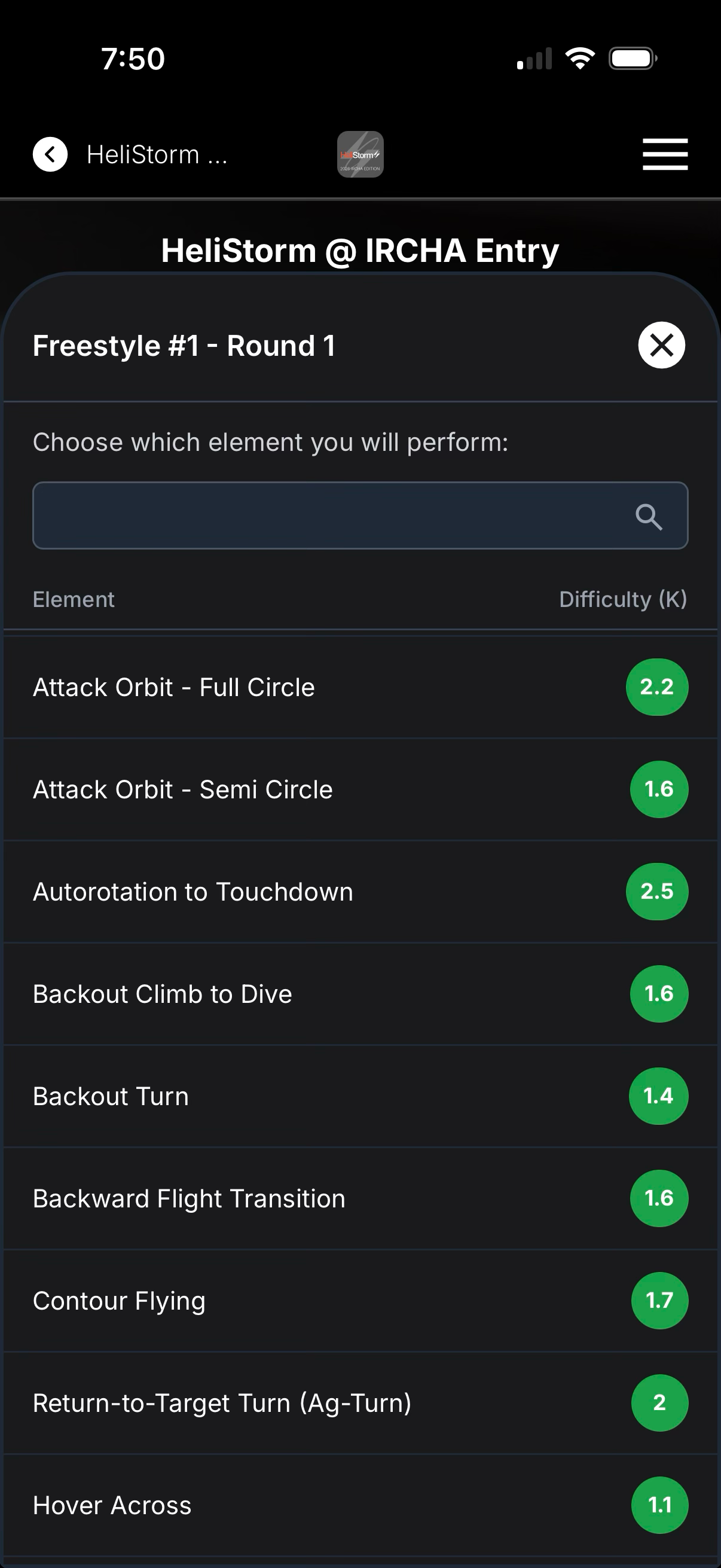
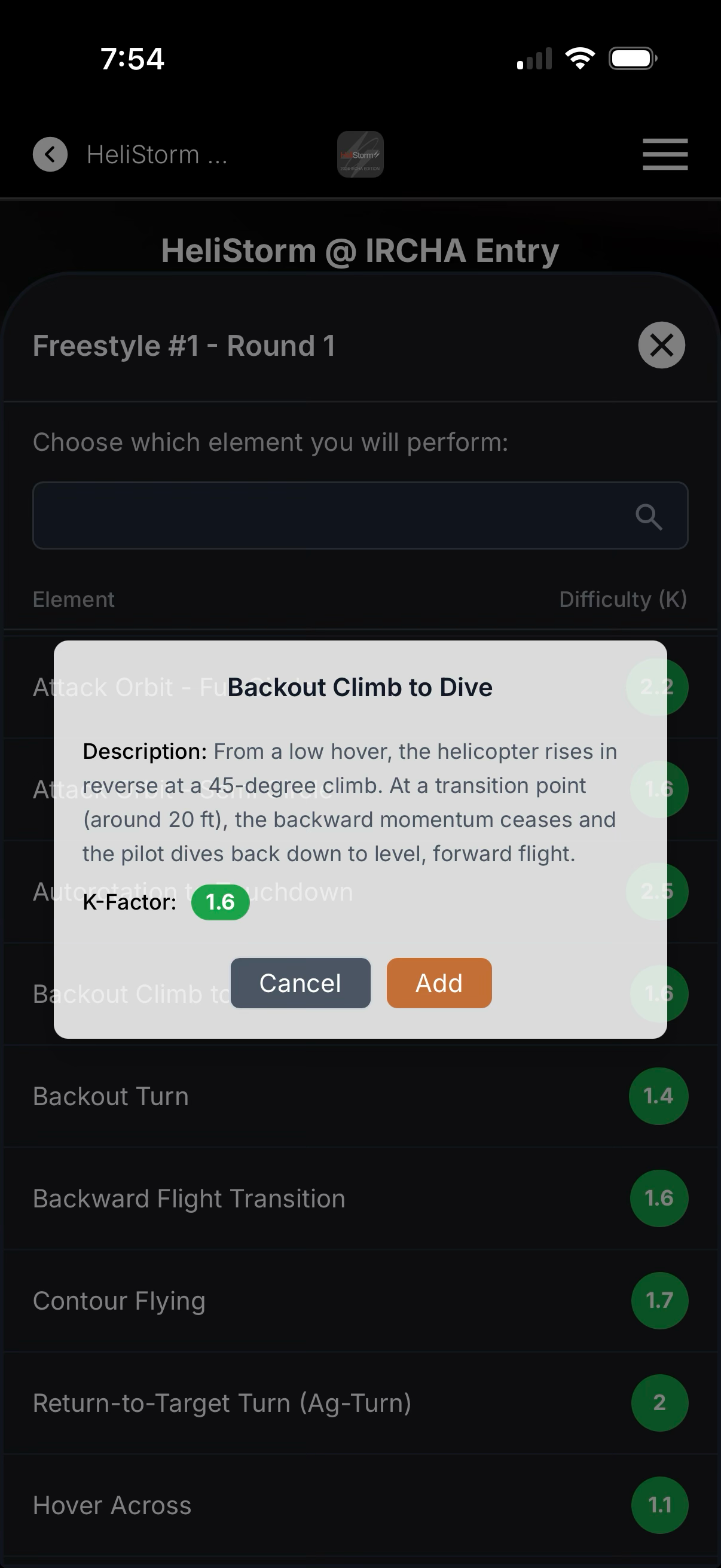
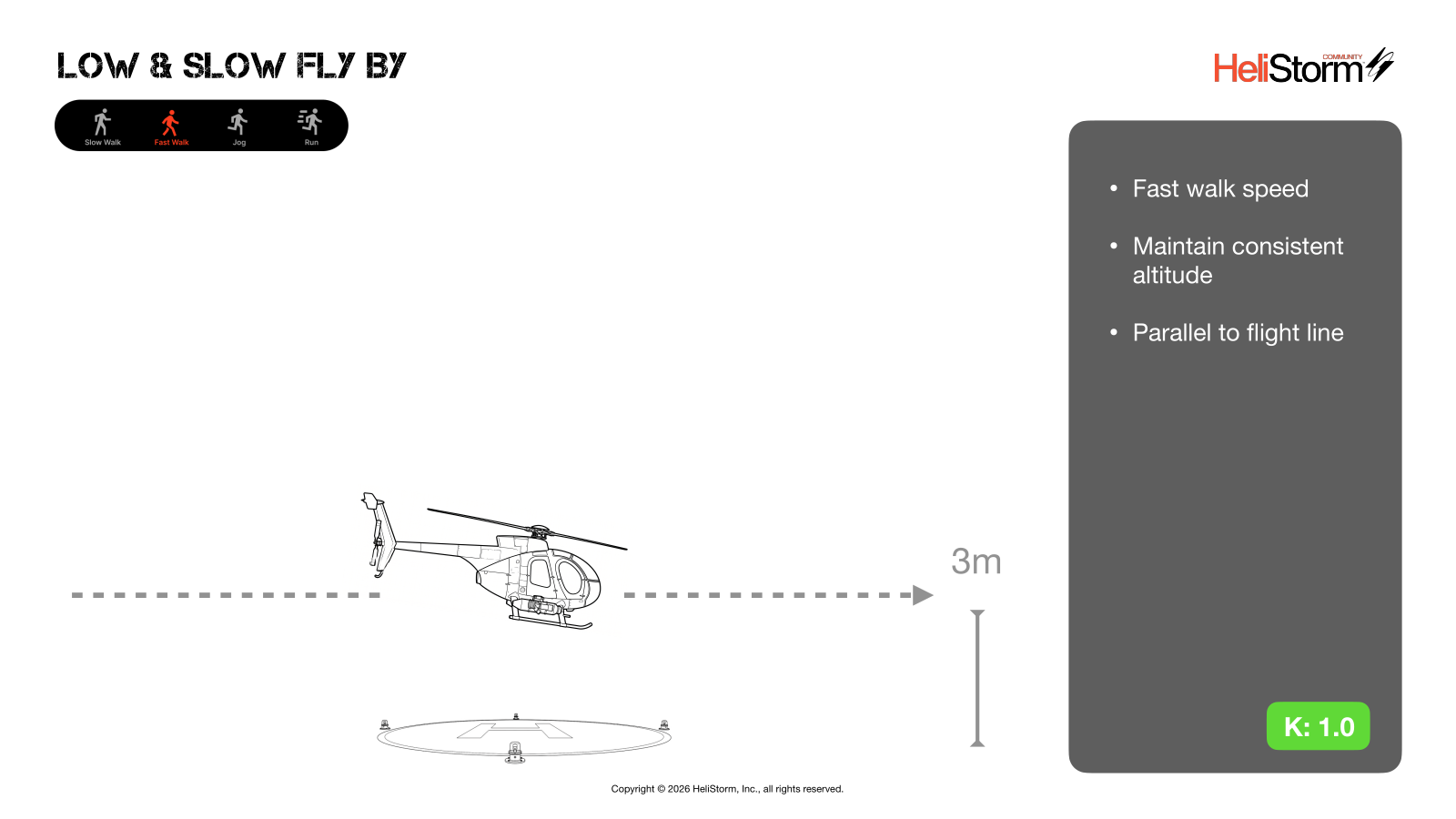
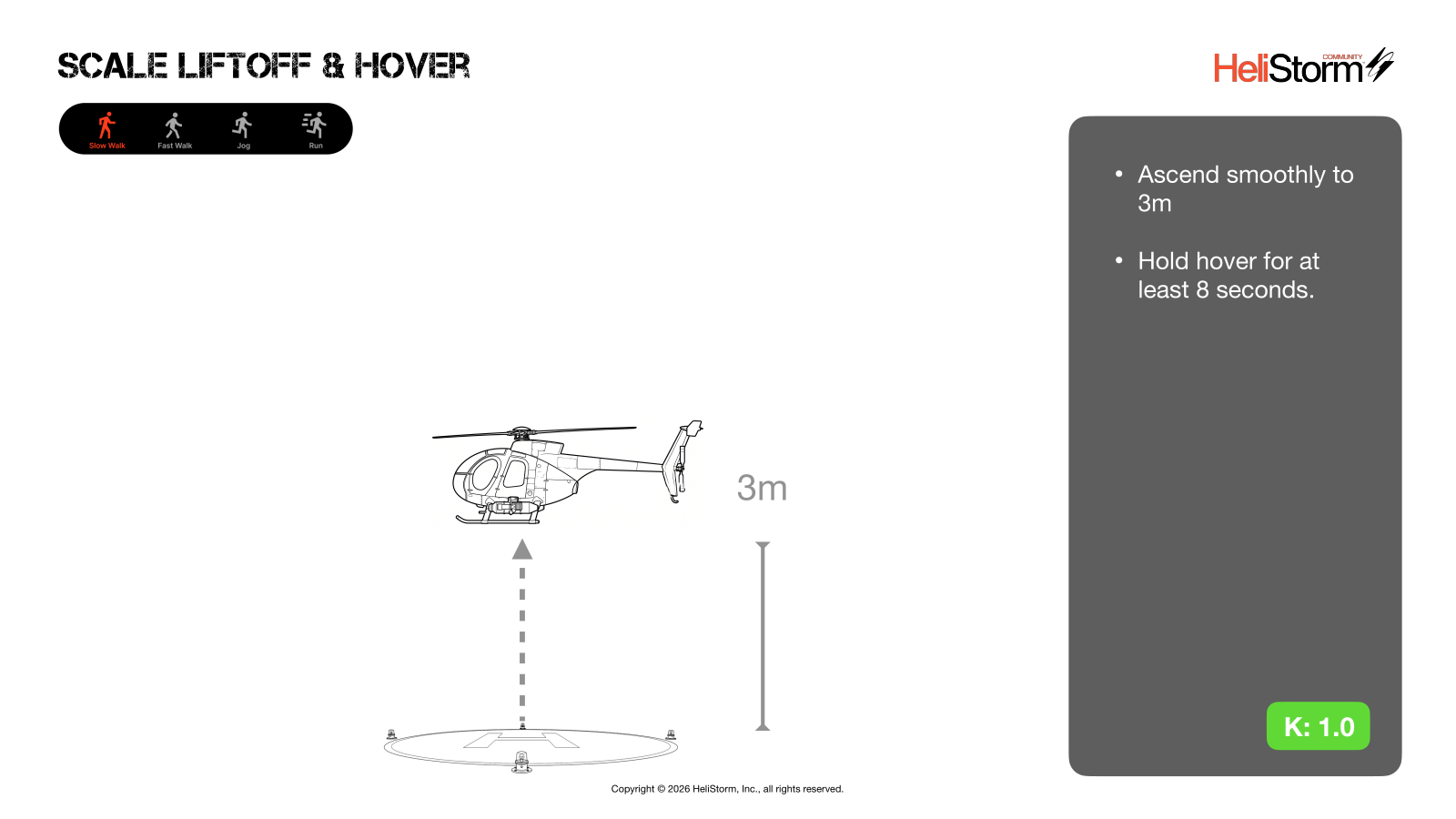
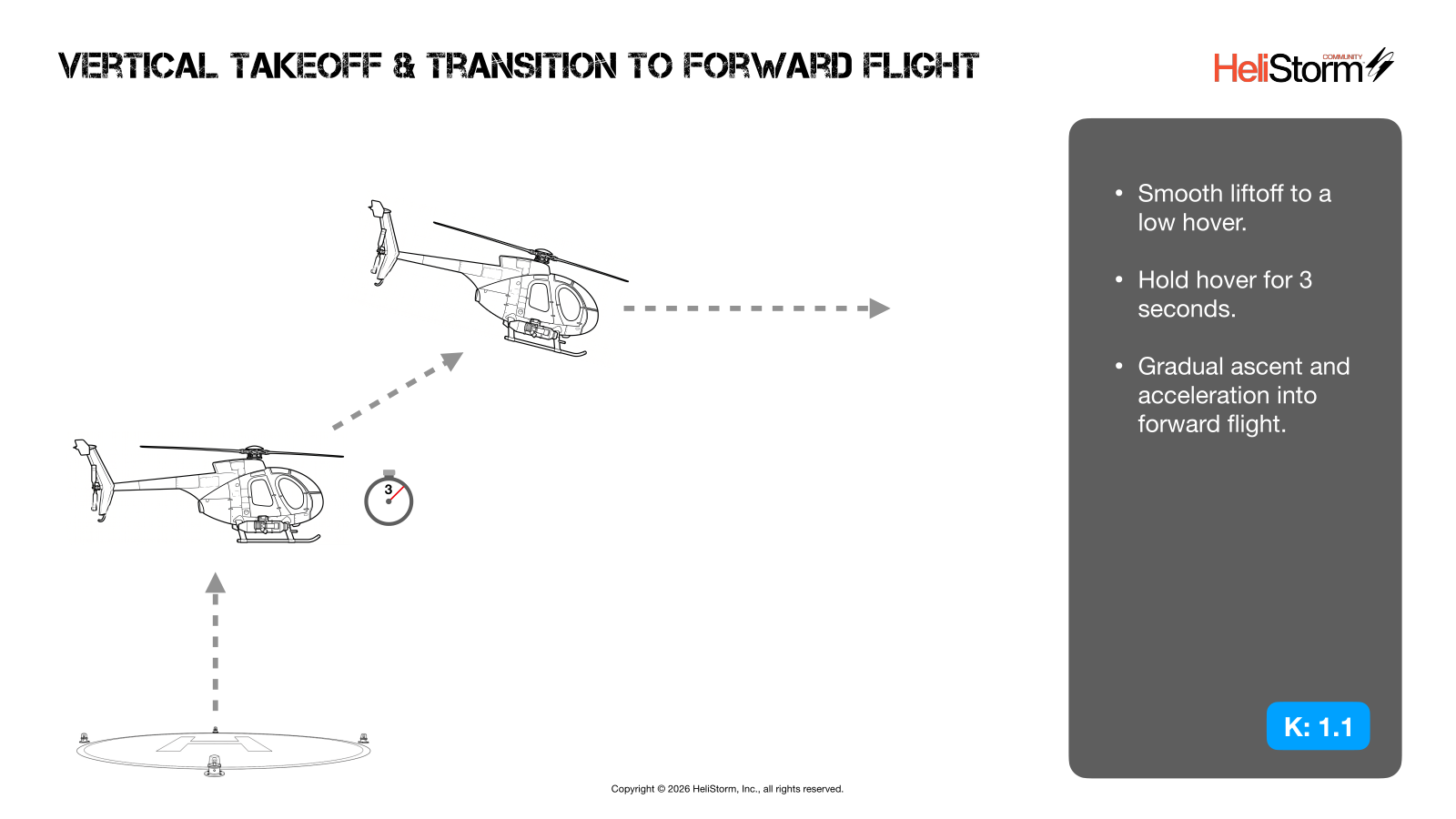
ChallengerThe flying rubric is a flexible "build-your-own" affair. Pilots must perform 2 mandatory maneuvers, which will include a scale liftoff and hover component and a horizontal fly-by, along with 3 freestyle maneuvers, which the pilot will select from a catalog within the LiveJudge app.
ChallengerPilots may enter any ARF, kit, or scratch-built model, regardless of who built the model. Pilots will make a 5-minute presentation. Documentation is not required, but will help improve the final score. A "proof of flight" hover is required to qualify for an award. All models must be present at the same time for static judging. Judges may not commence scoring until they have examined each model once.
ChallengerThis class is for more experienced pilots and builders who don't mind mixing it up with other skilled pilots. Pilots must demonstrate full control of their machine in flight.
MastersThe flying rubric is a 100% flexible "build-your-own" affair. Pilots will perform 4 freestyle maneuvers, which they can choose from a catalog within the LiveJudge™ app.
MastersPilots may enter any ARF, kit, or scratch-built model, regardless of who built the model. Pilots will make a 5-minute presentation. Models should have at least ONE photo or drawing of the type of helicopter being modeled (not the exact one). Models with more thorough documentation will be rewarded with higher scores. A "proof of flight" hover is required to qualify for an award. All models must be present at the same time for static judging. Judges may not commence scoring until they have examined each model once.
MastersBefore or at the time the contest director opens registration for the event within LiveJudge™, they should publish the final class structure and freestyle maneuver options available so that pilots can properly prepare for the contest. Contest directors must prioritize disclosure of the freestyle and mandatory maneuvers to provide the most possible advanced notice.
COMPETITION — SECTION 4
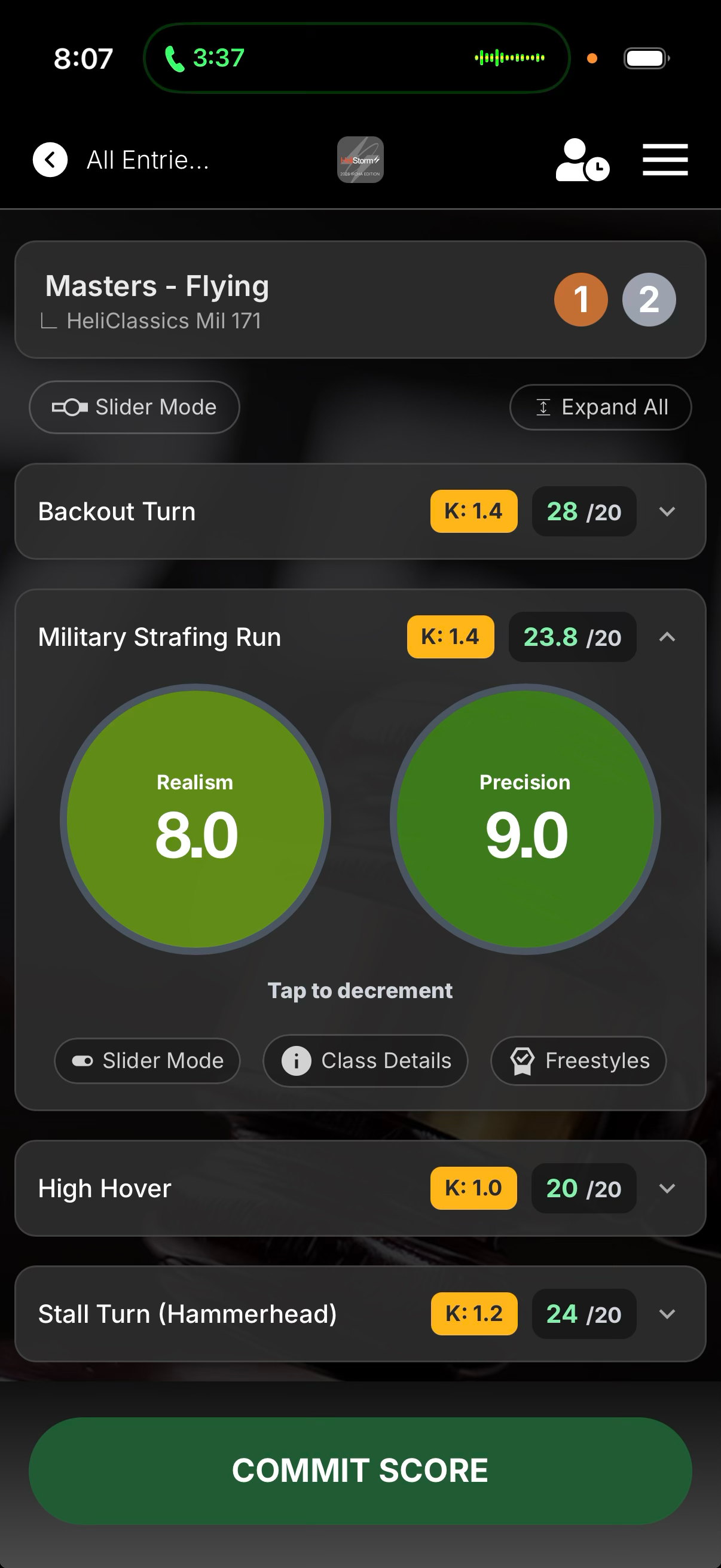
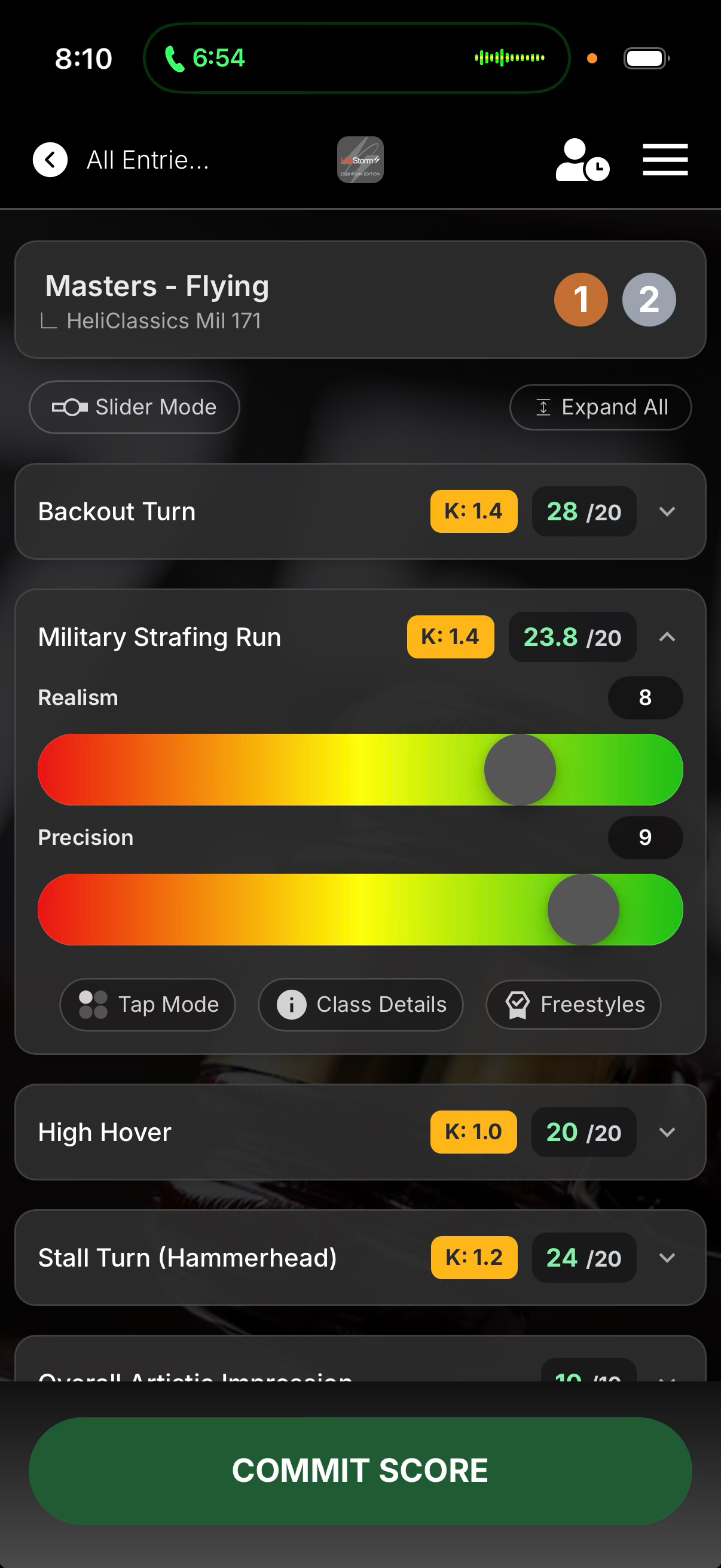
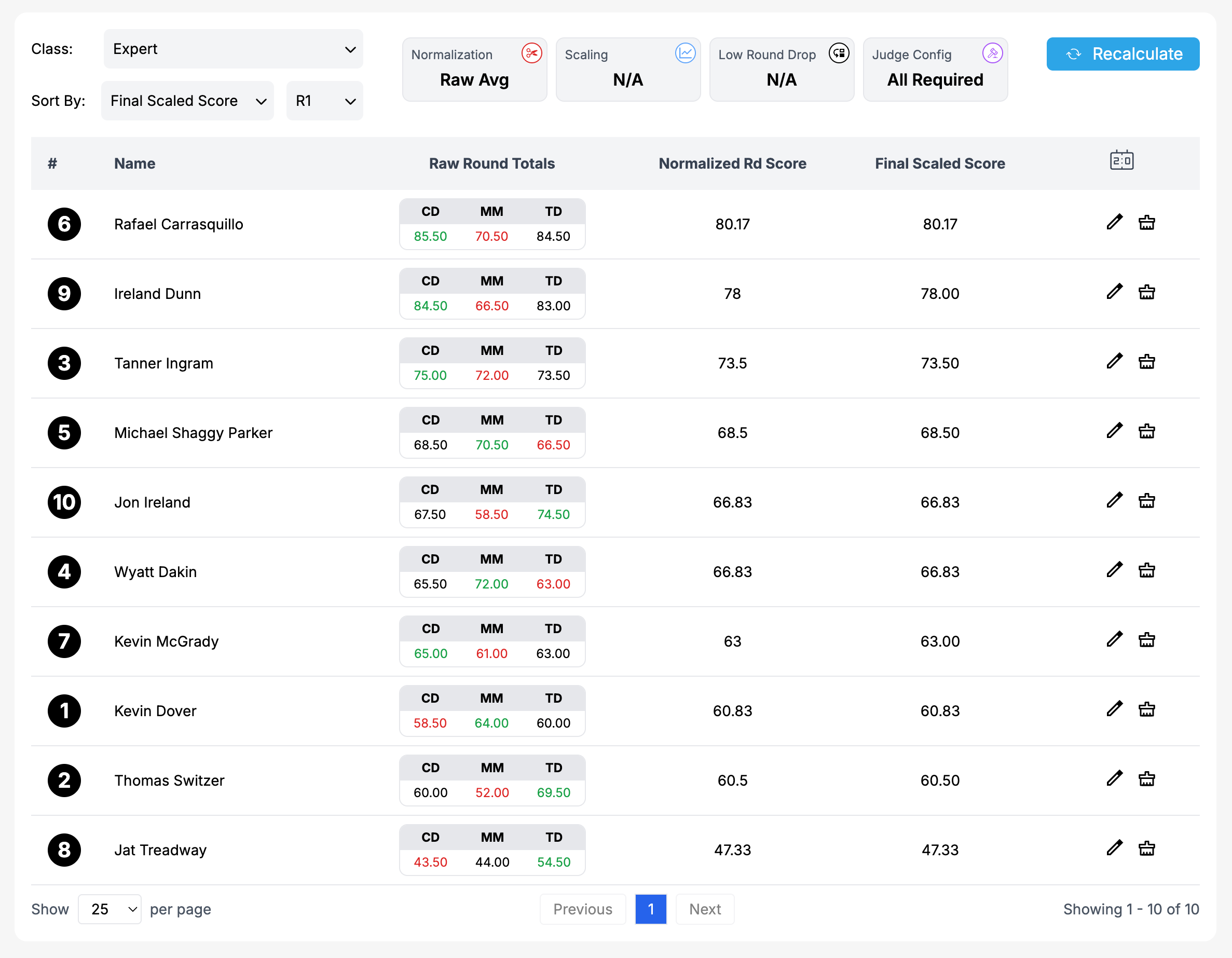
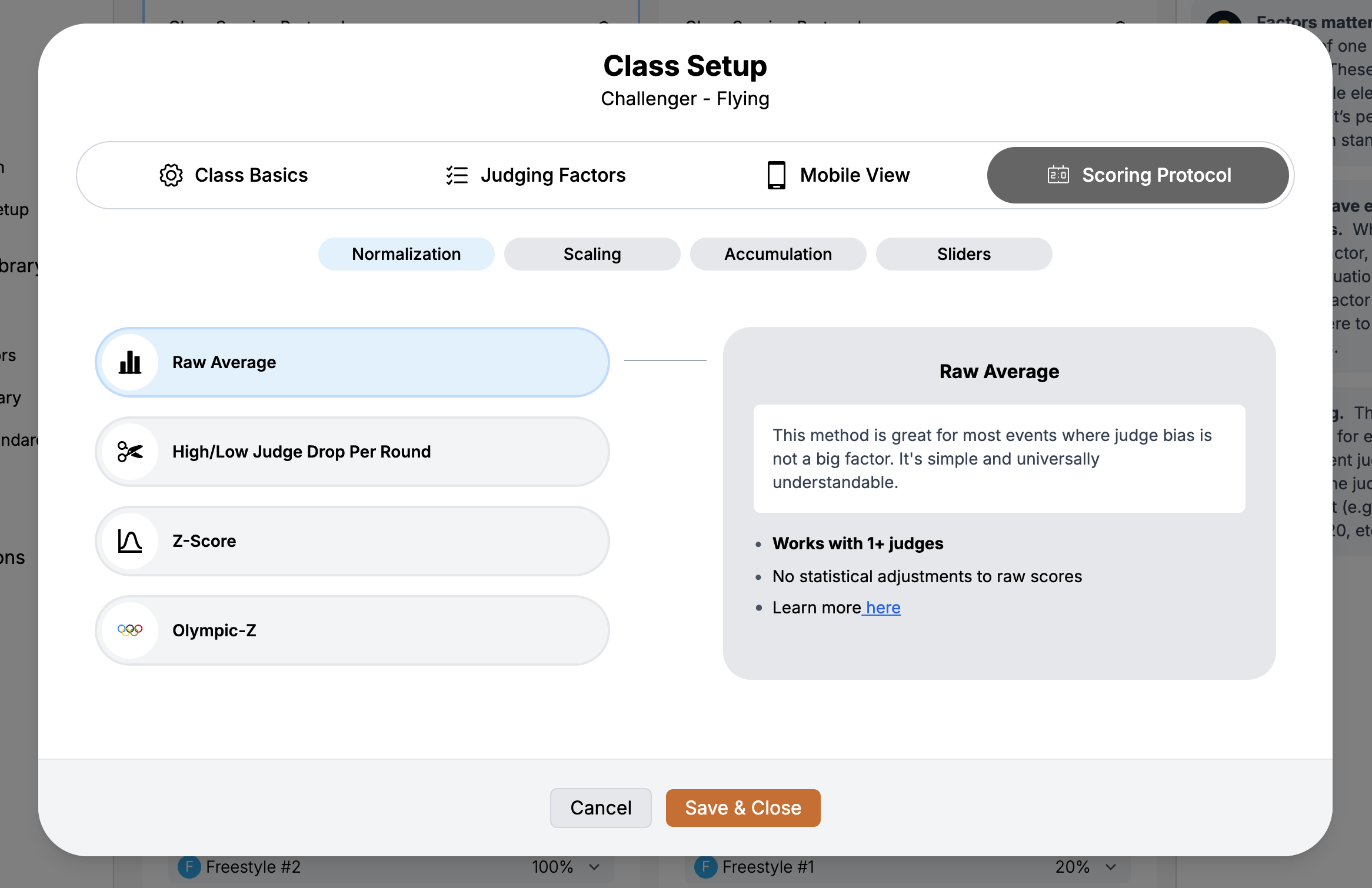
Unlike paper rubrics with varying point scales, HeliStorm® uses the LiveJudge™ platform exclusively in order to give judges a more accurate way to score.
Challenger
Each factor is judged on realism and precision. Pilots choose their freestyle maneuvers from the LiveJudge app and judges can see the choices instantly.
Scoring Protocol
Judging Factors
Each factor is mandatory. All types of models are welcome. ARF’s, kits, scratch built, whatever.
Scoring Protocol
Judging Factors
Masters
Each factor is judged on realism and precision. Pilots choose their freestyle maneuvers from the LiveJudge app and judges can see the choices instantly.
Scoring Protocol
Judging Factors
Each factor is mandatory. All types of models are welcome. ARF’s, kits, scratch built, whatever.
Scoring Protocol
Judging Factors
COMPETITION — SECTION 4
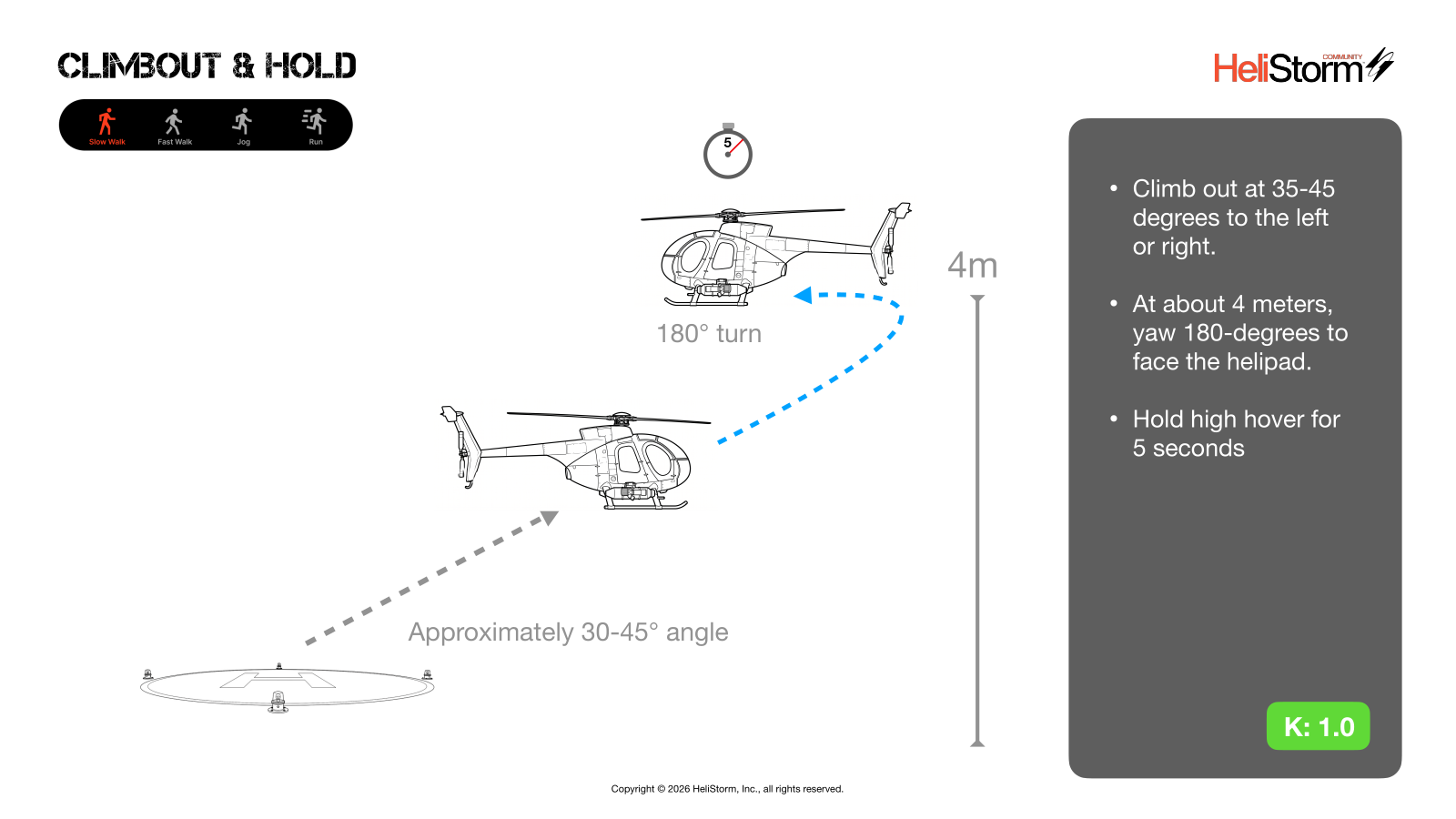
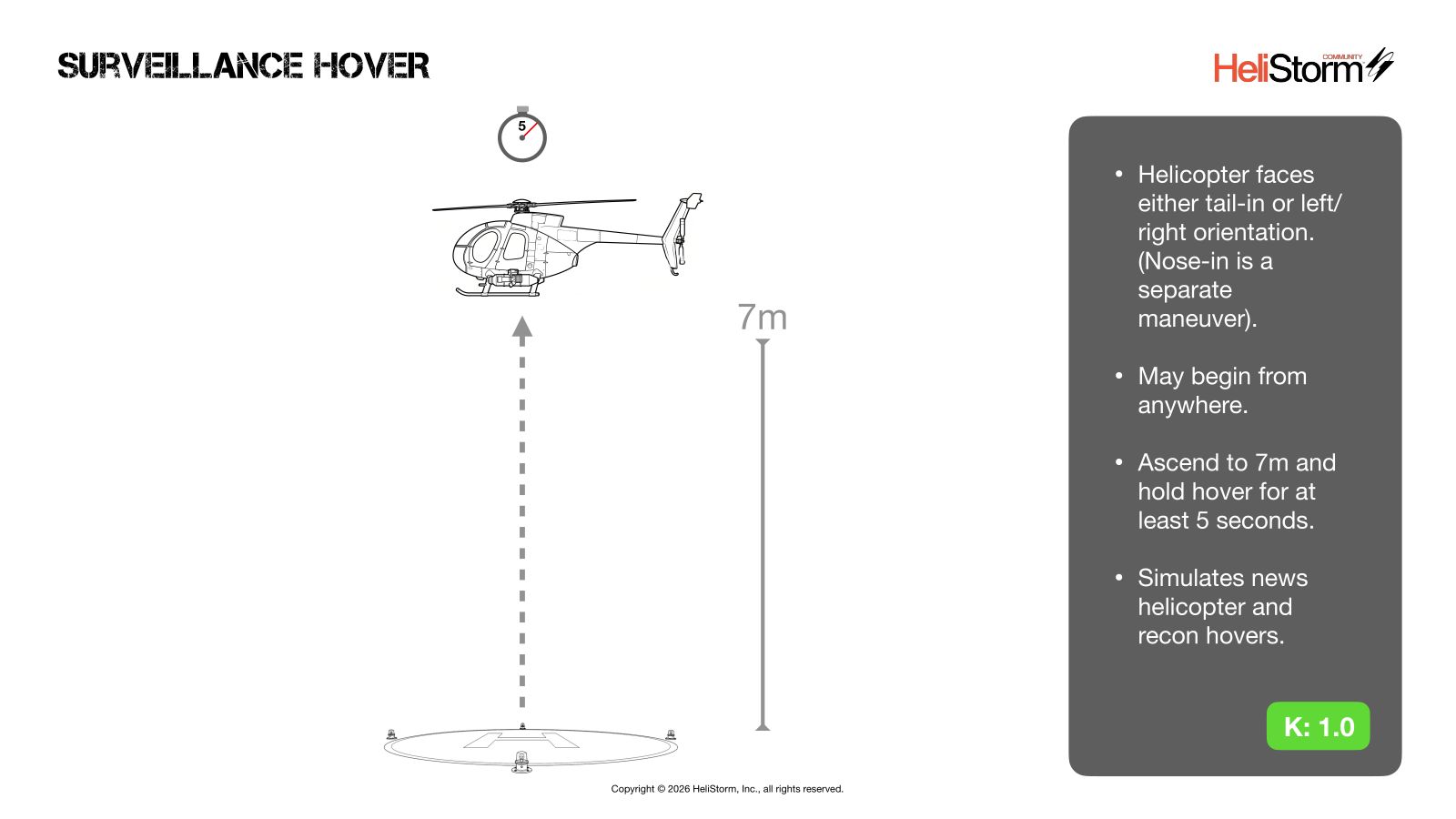
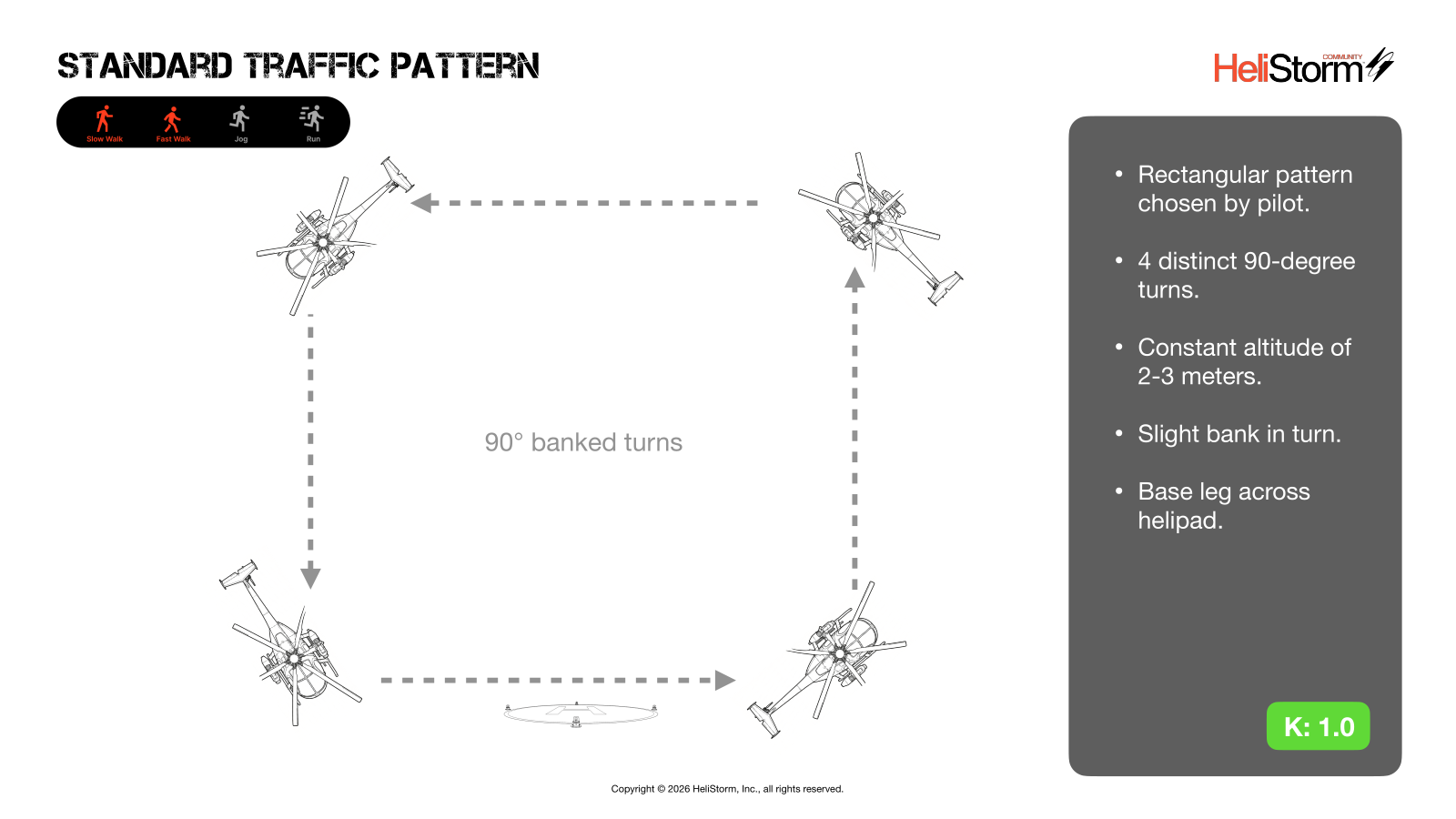
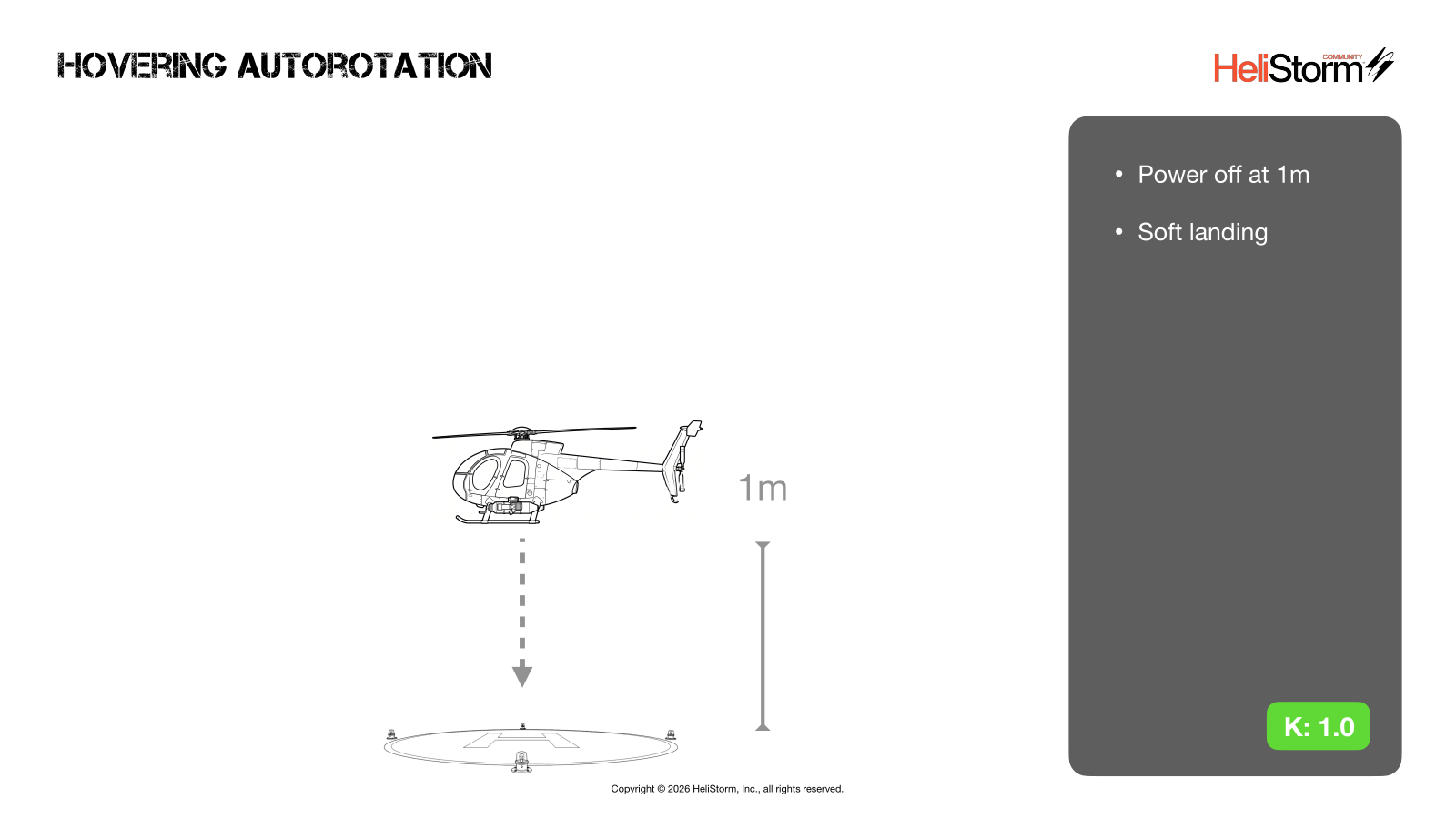
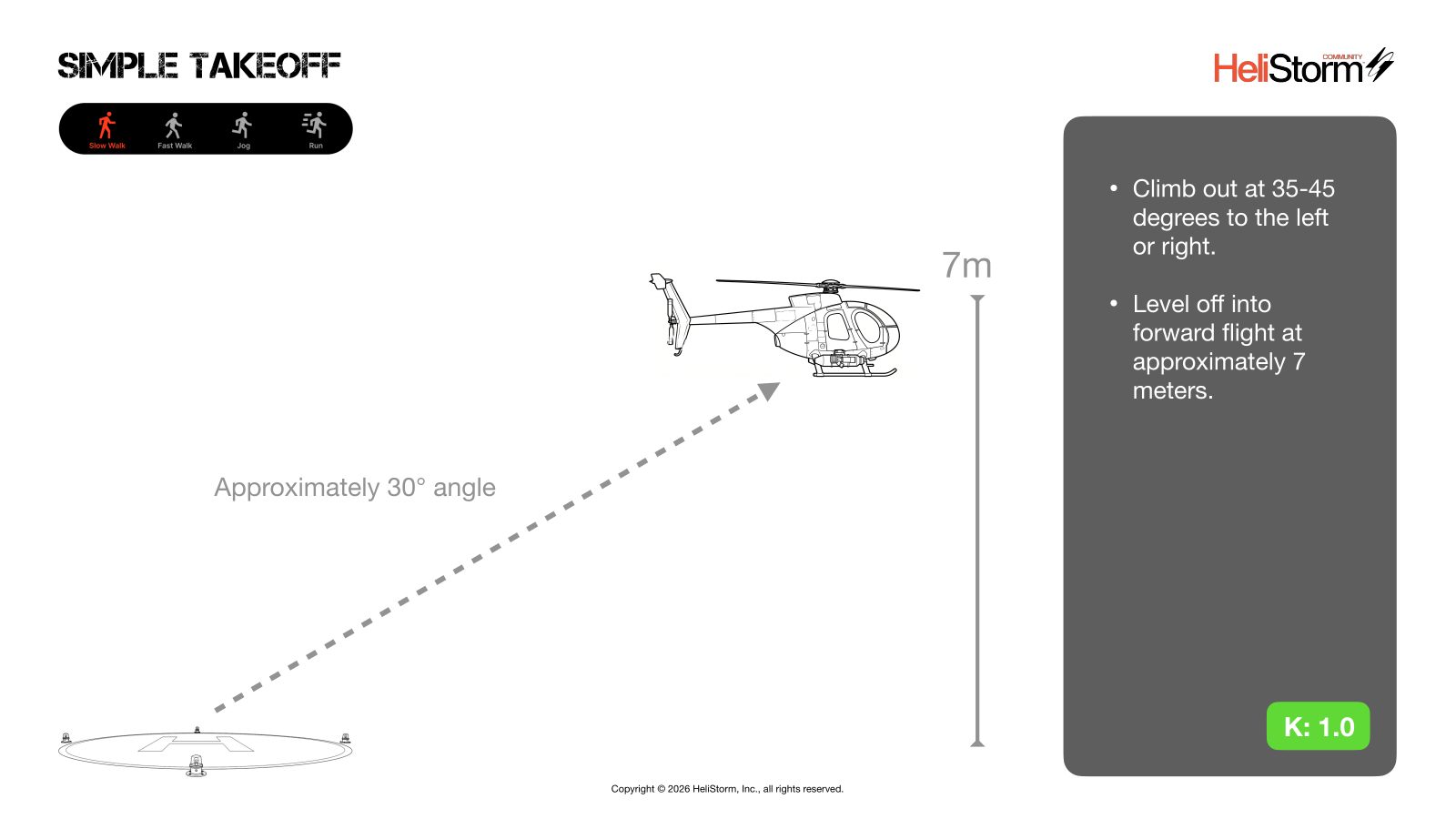
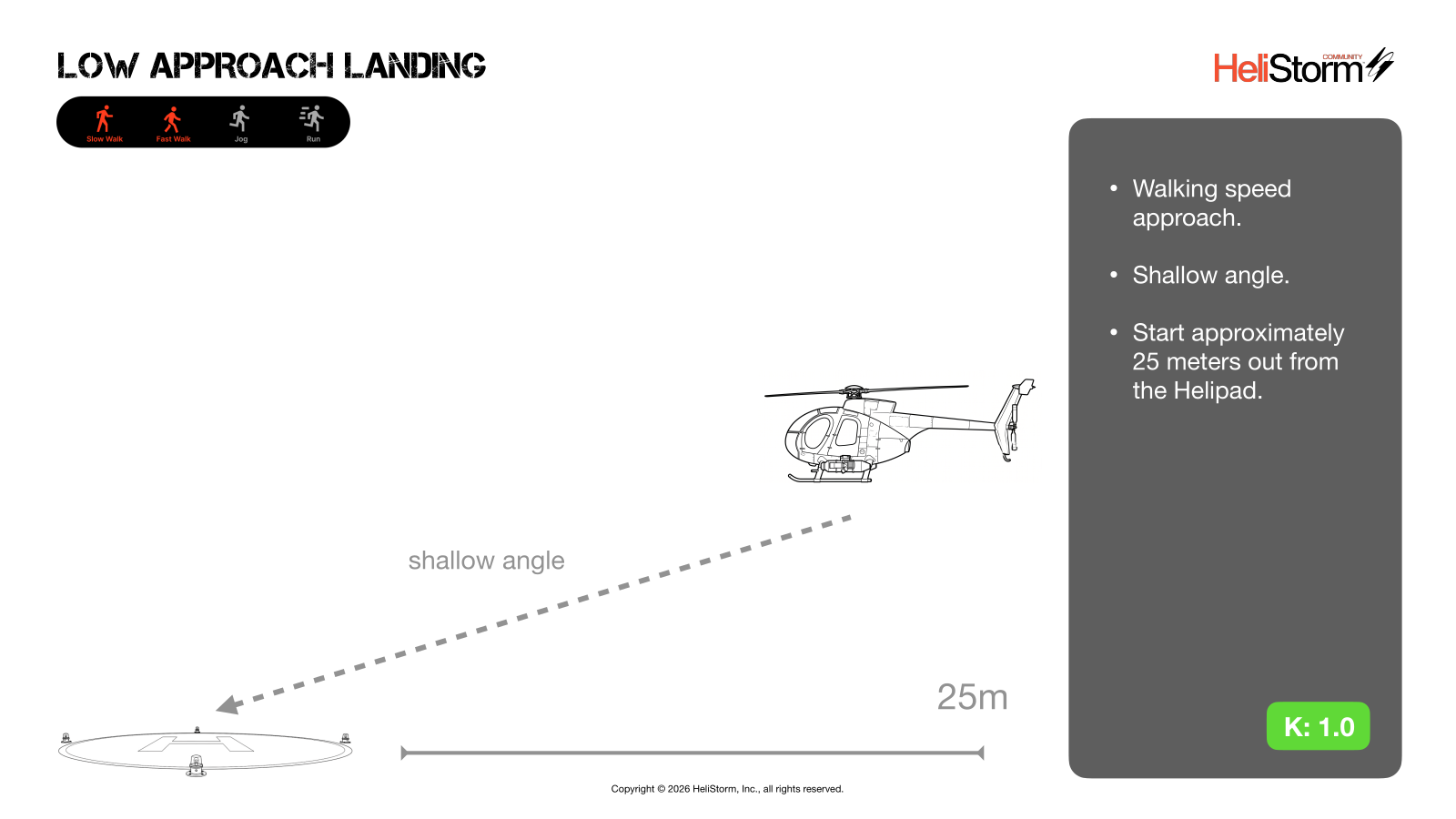
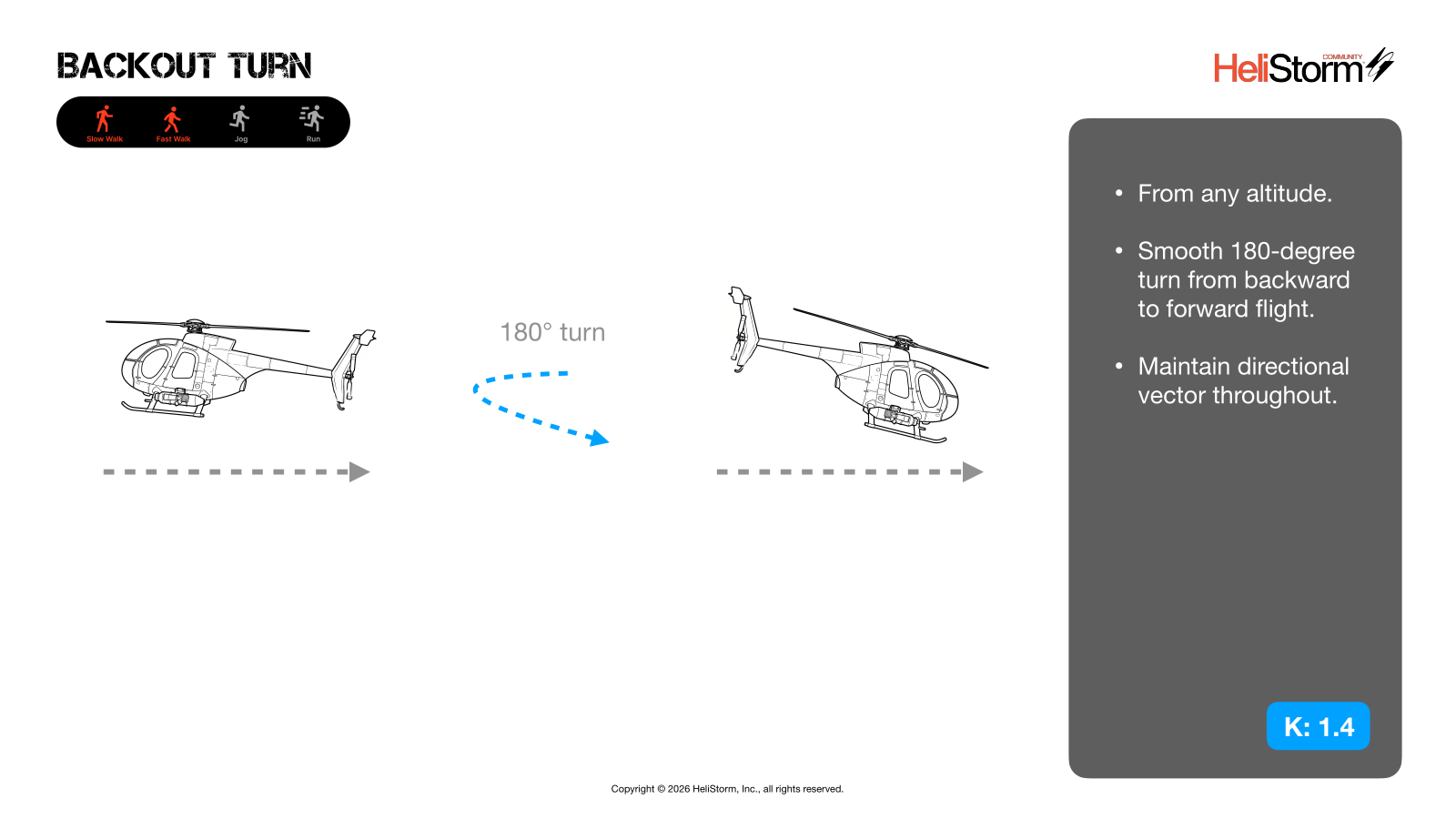
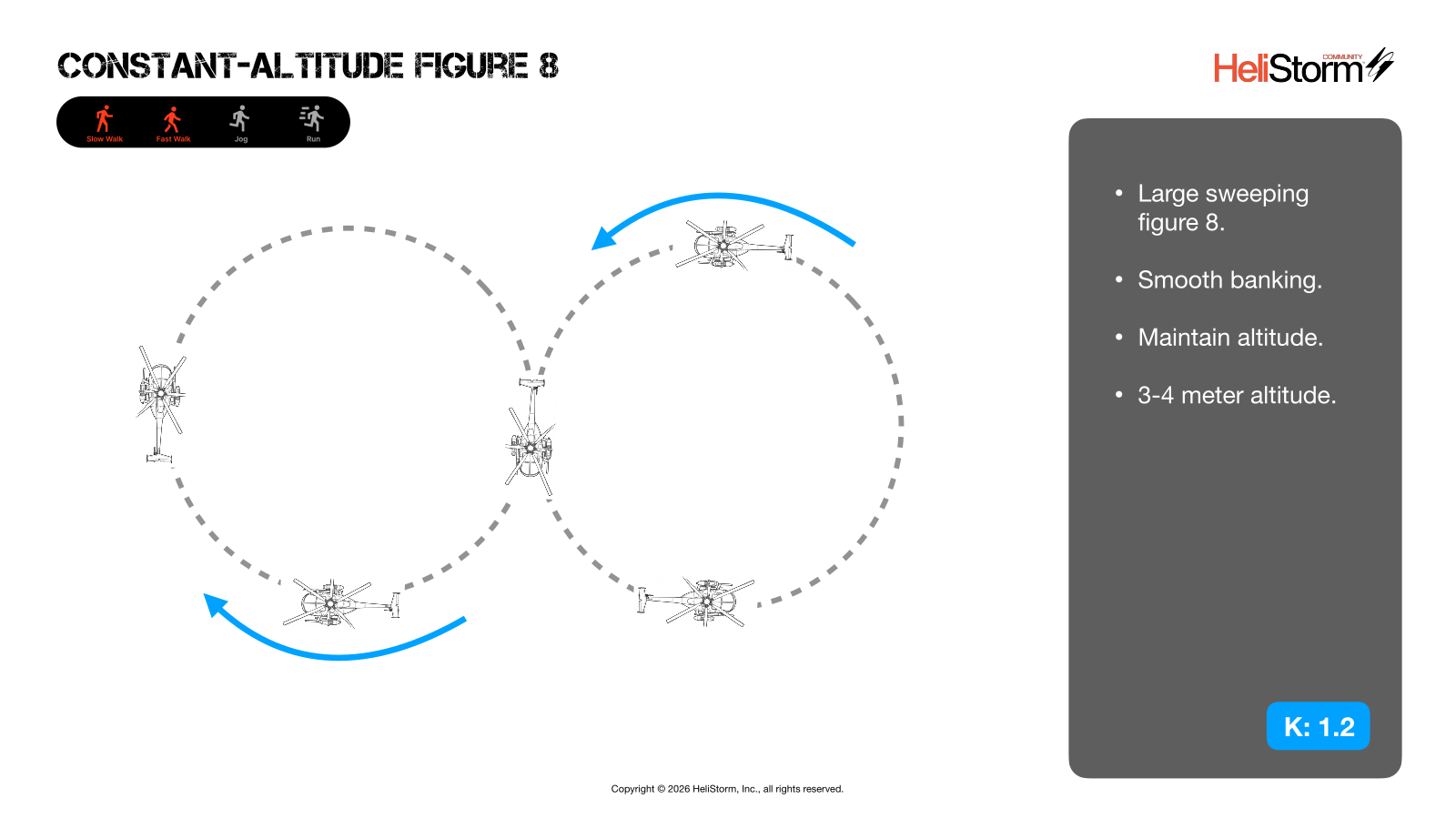
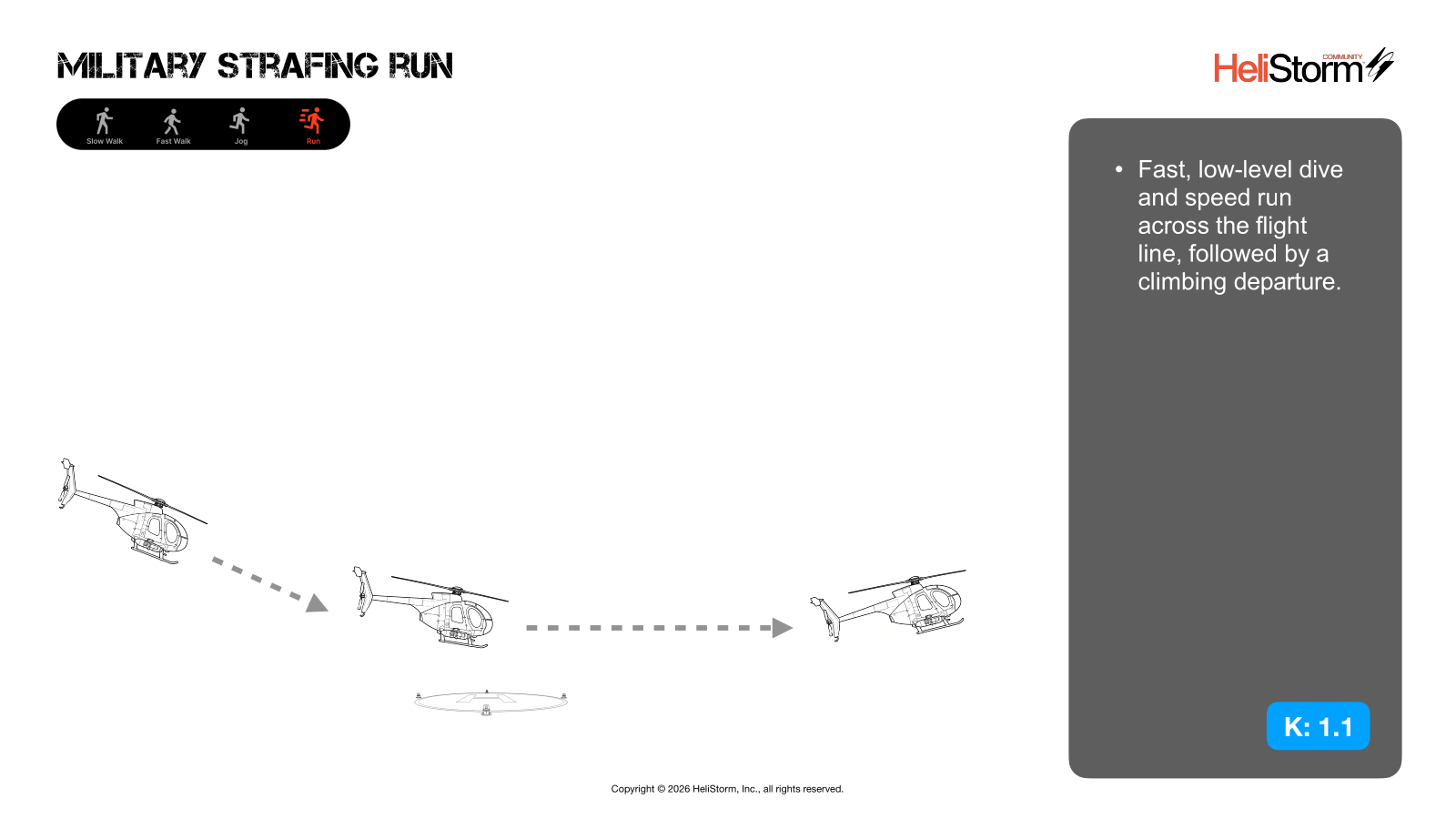
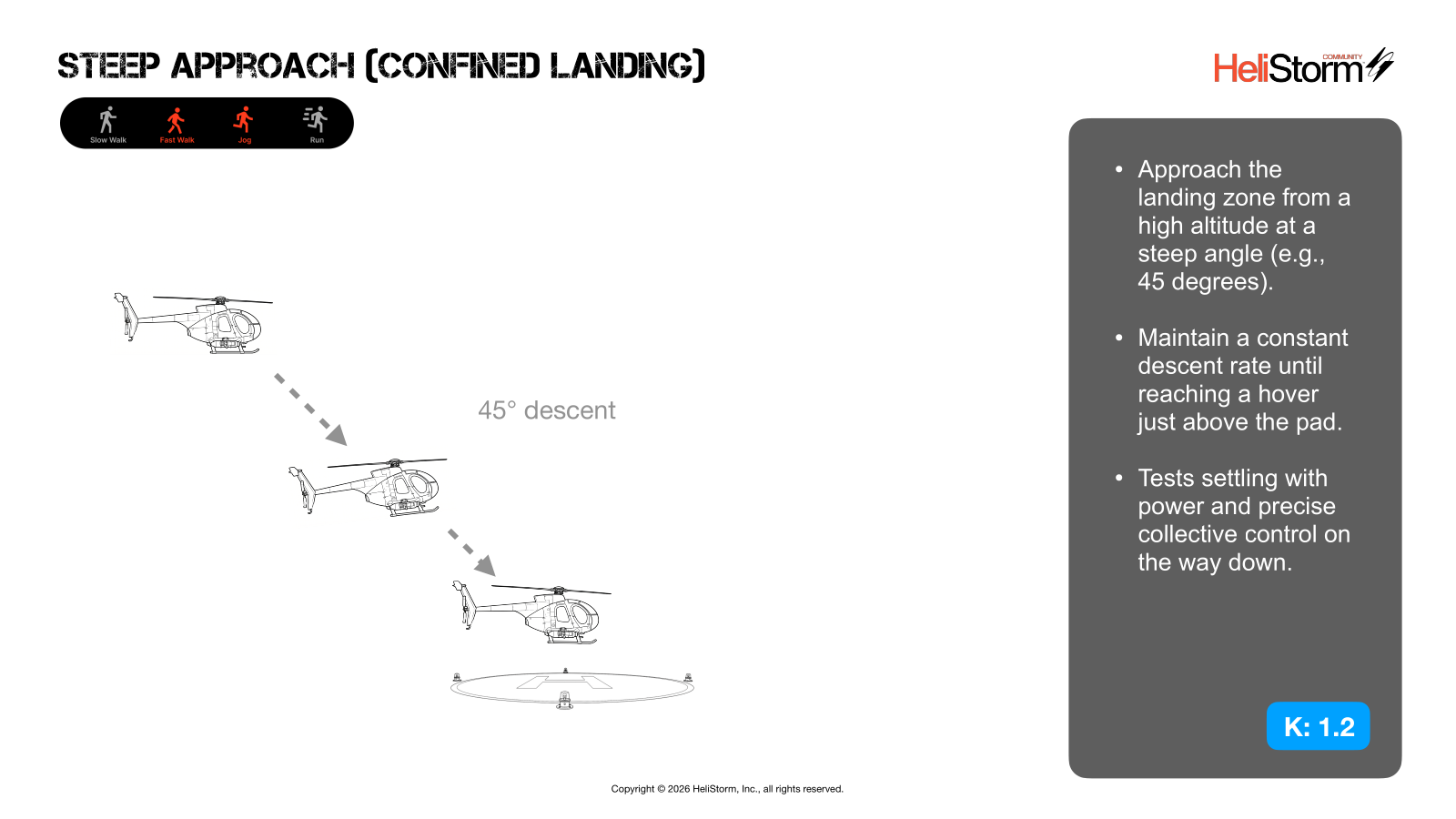
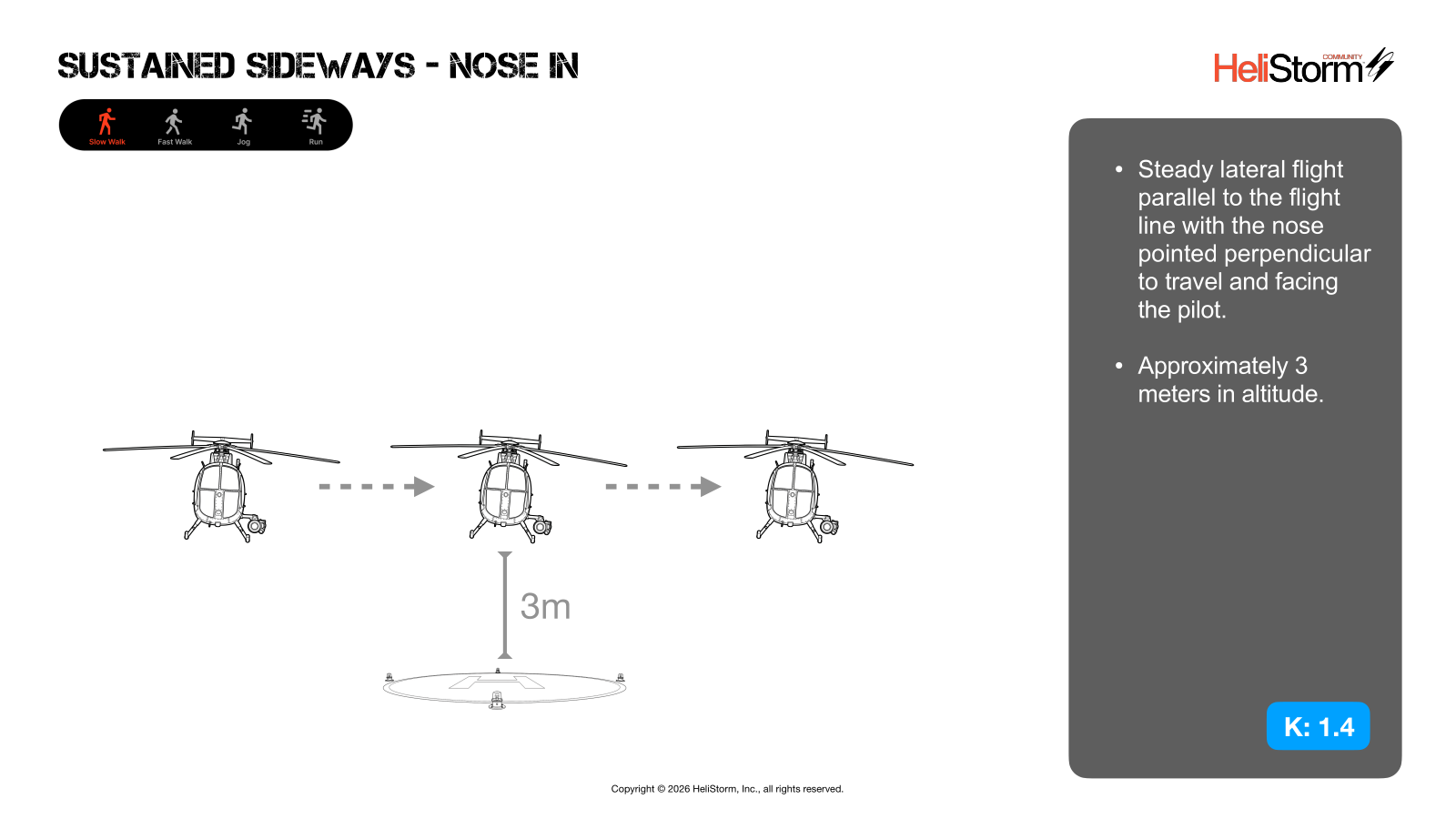
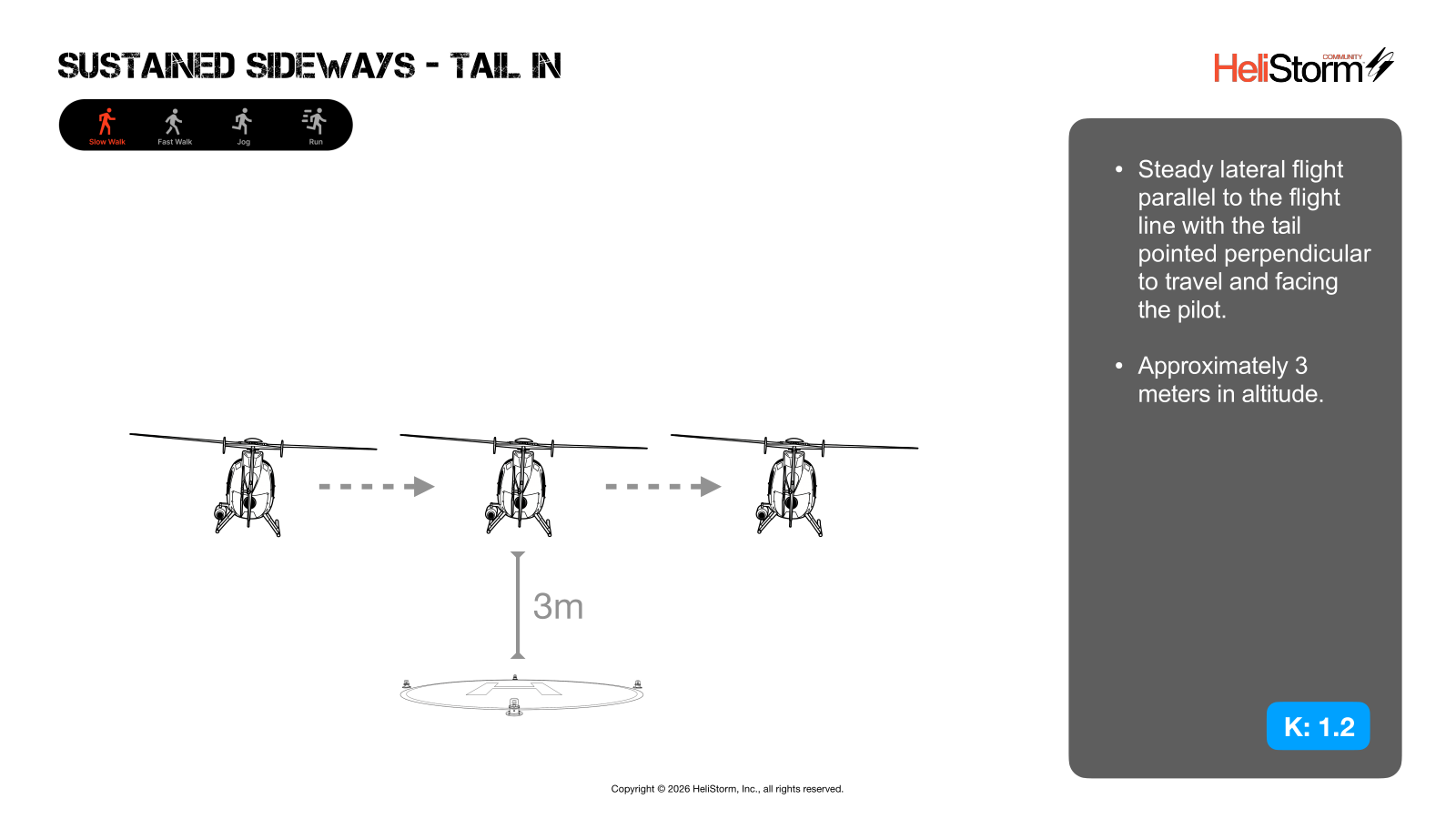
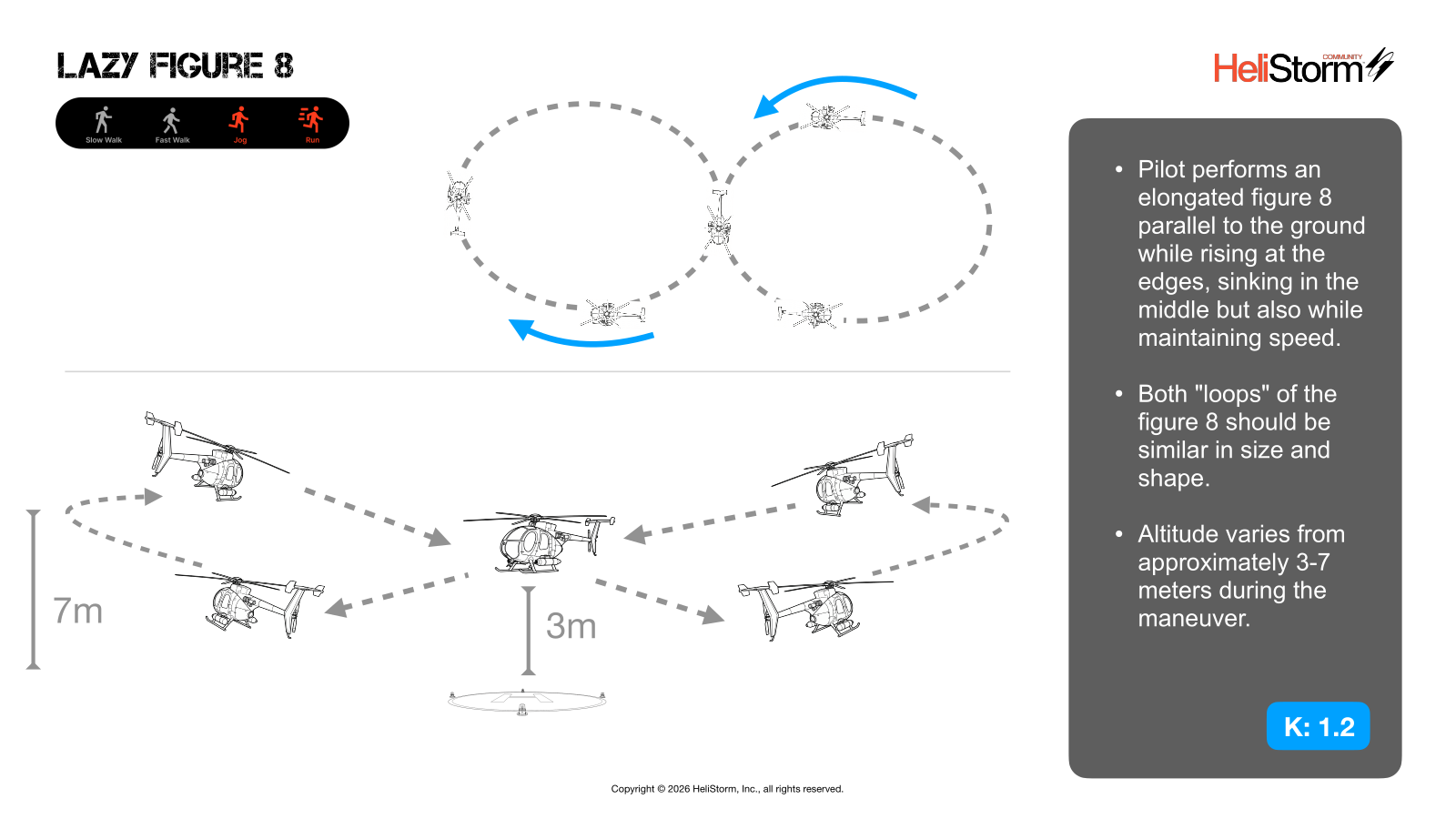
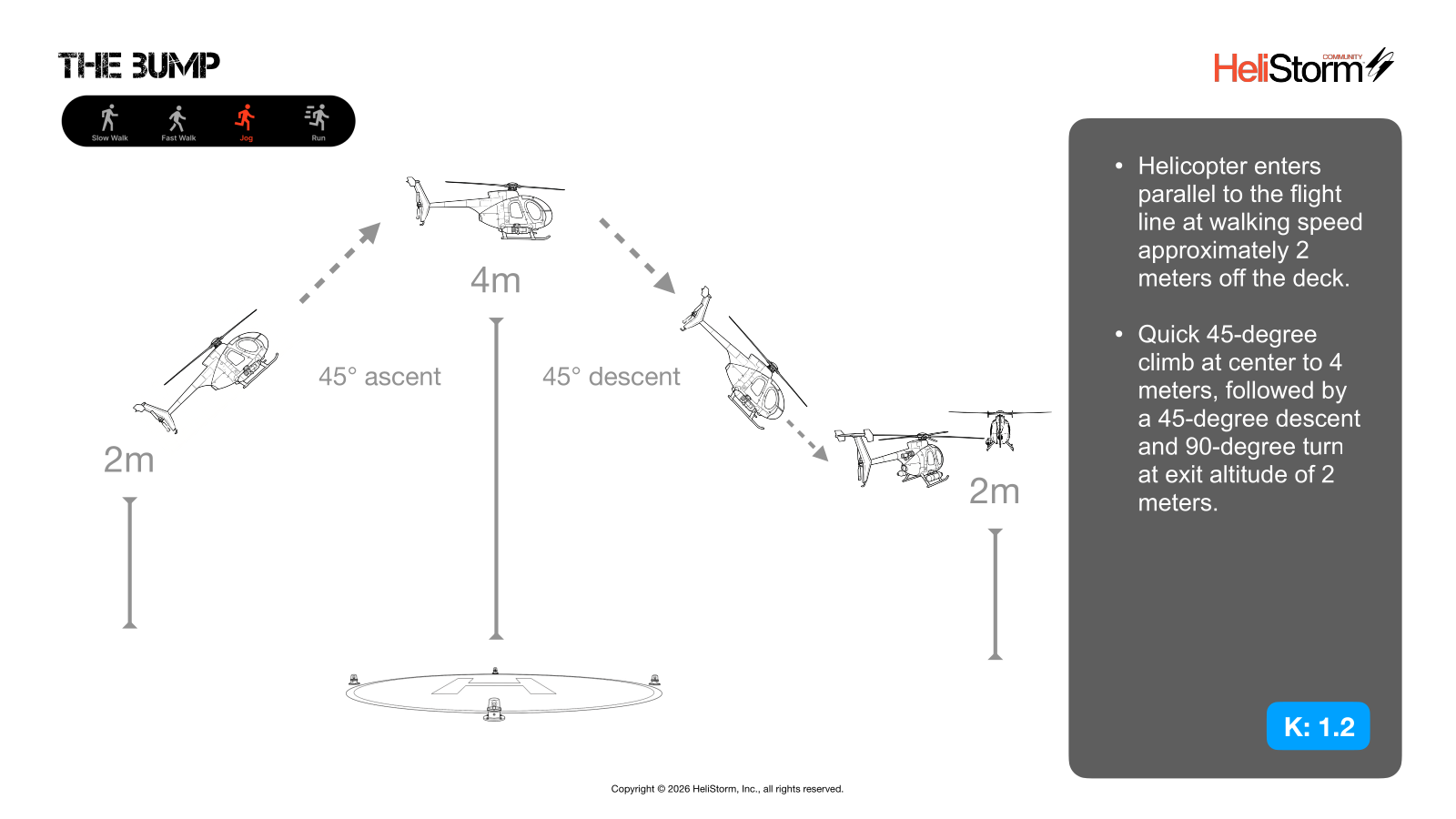
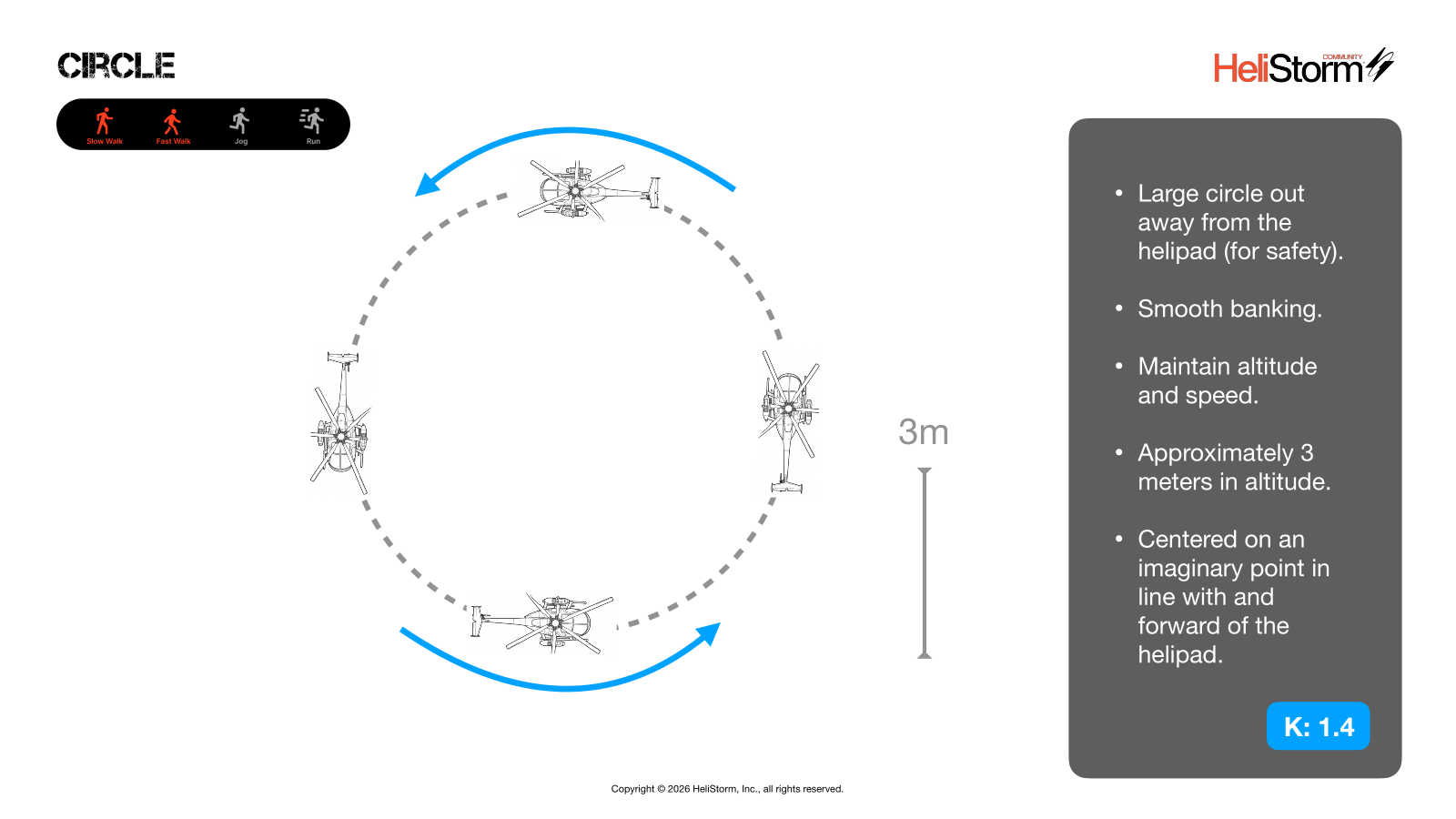
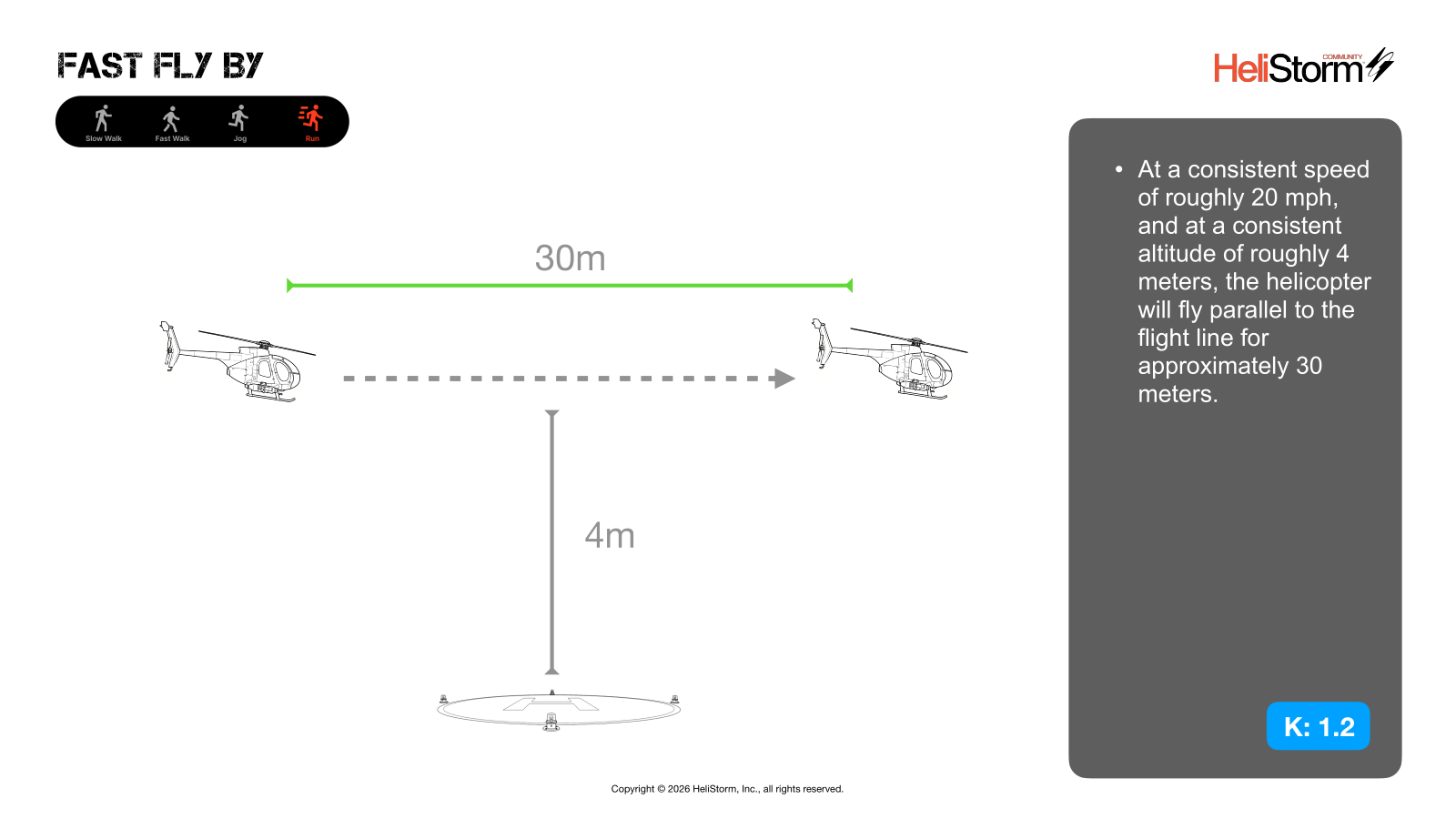
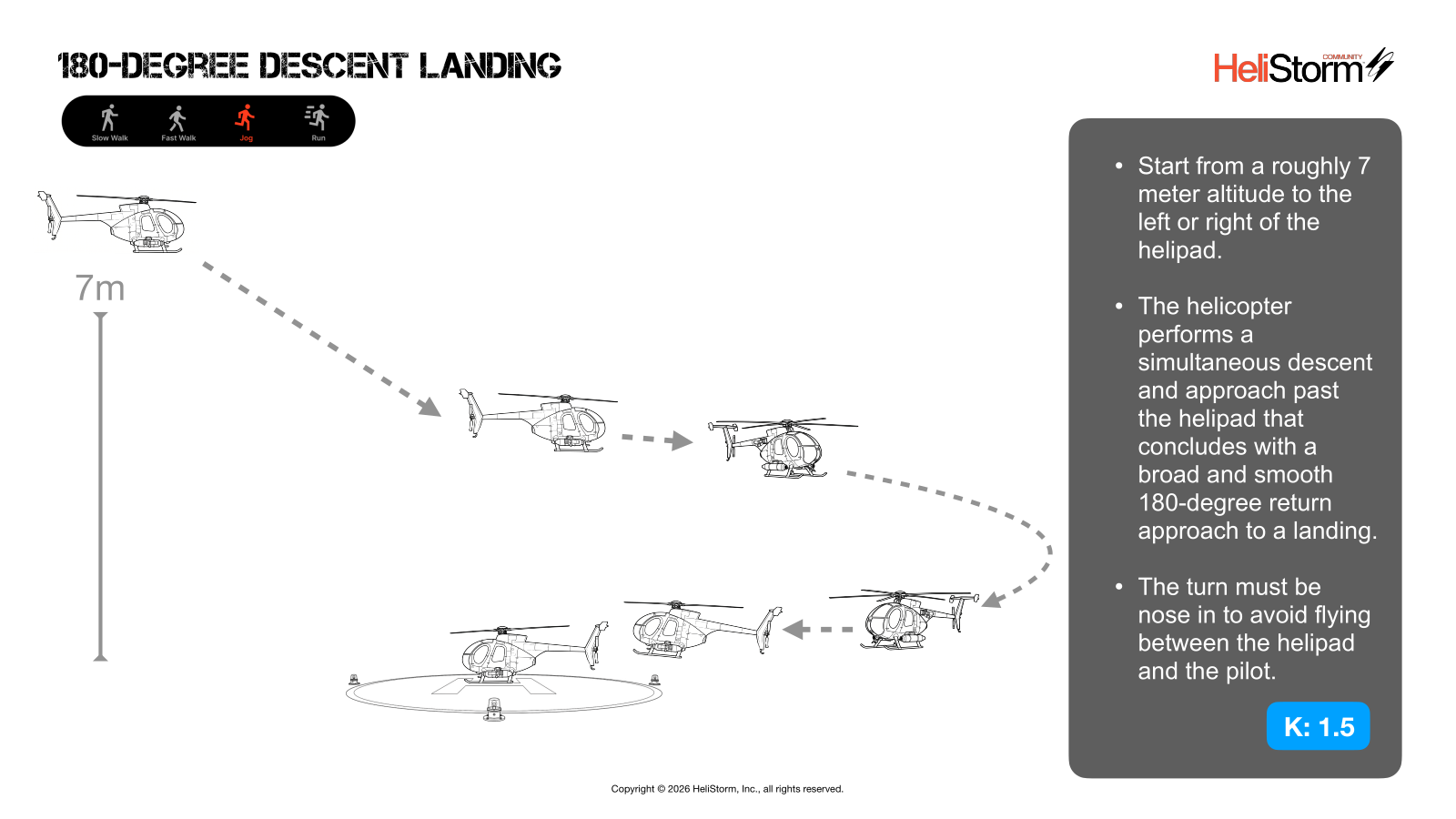
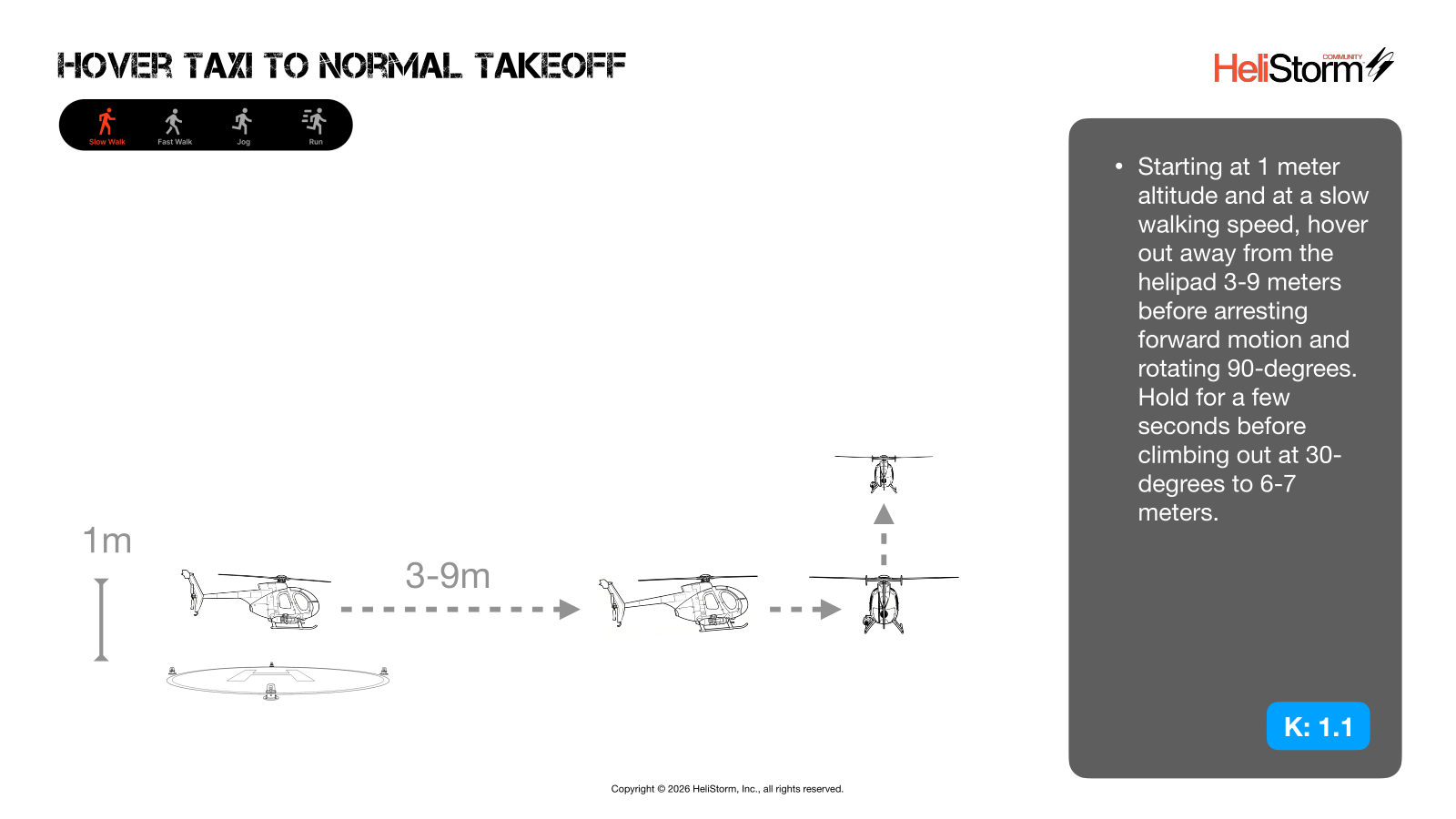
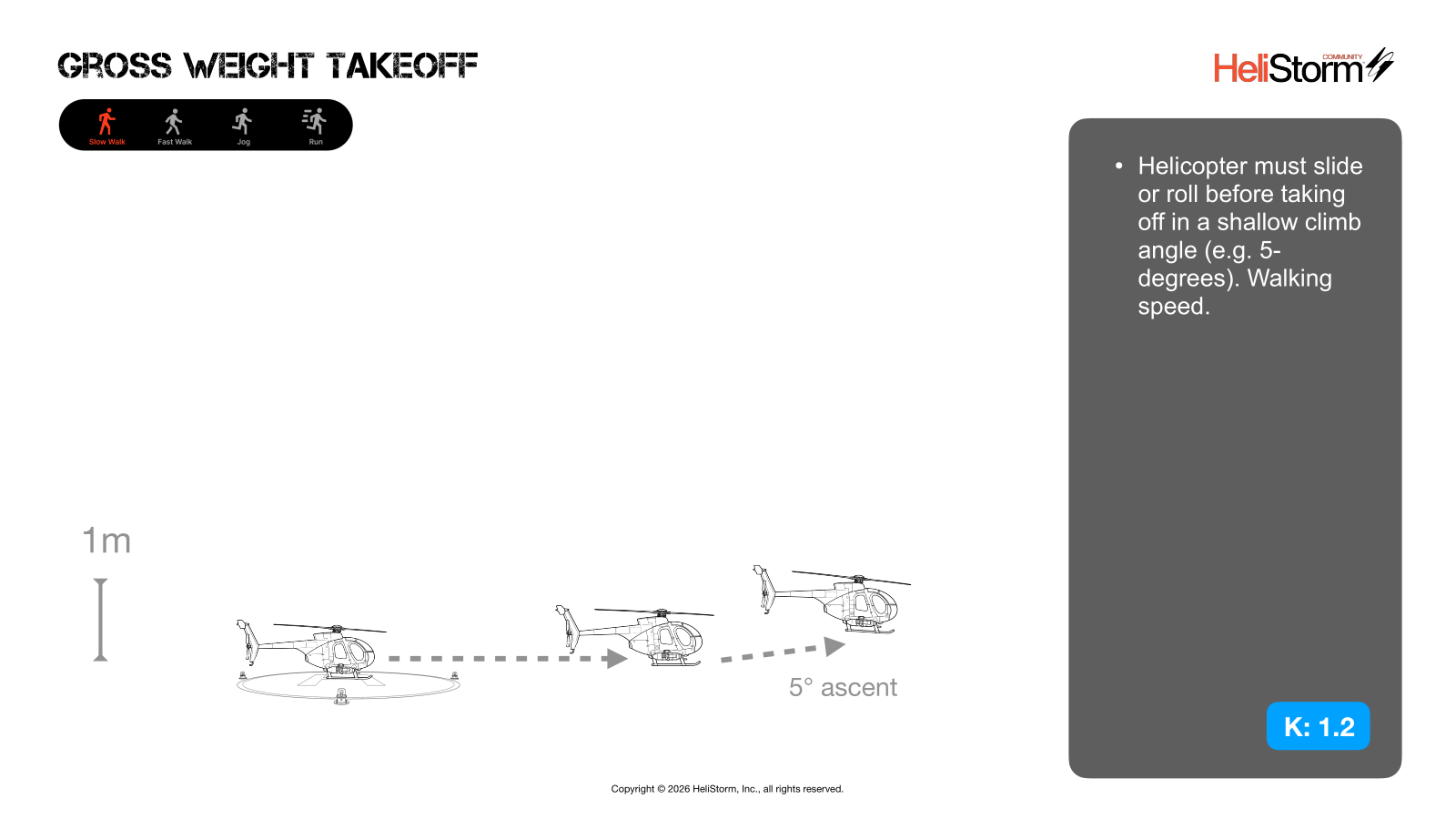
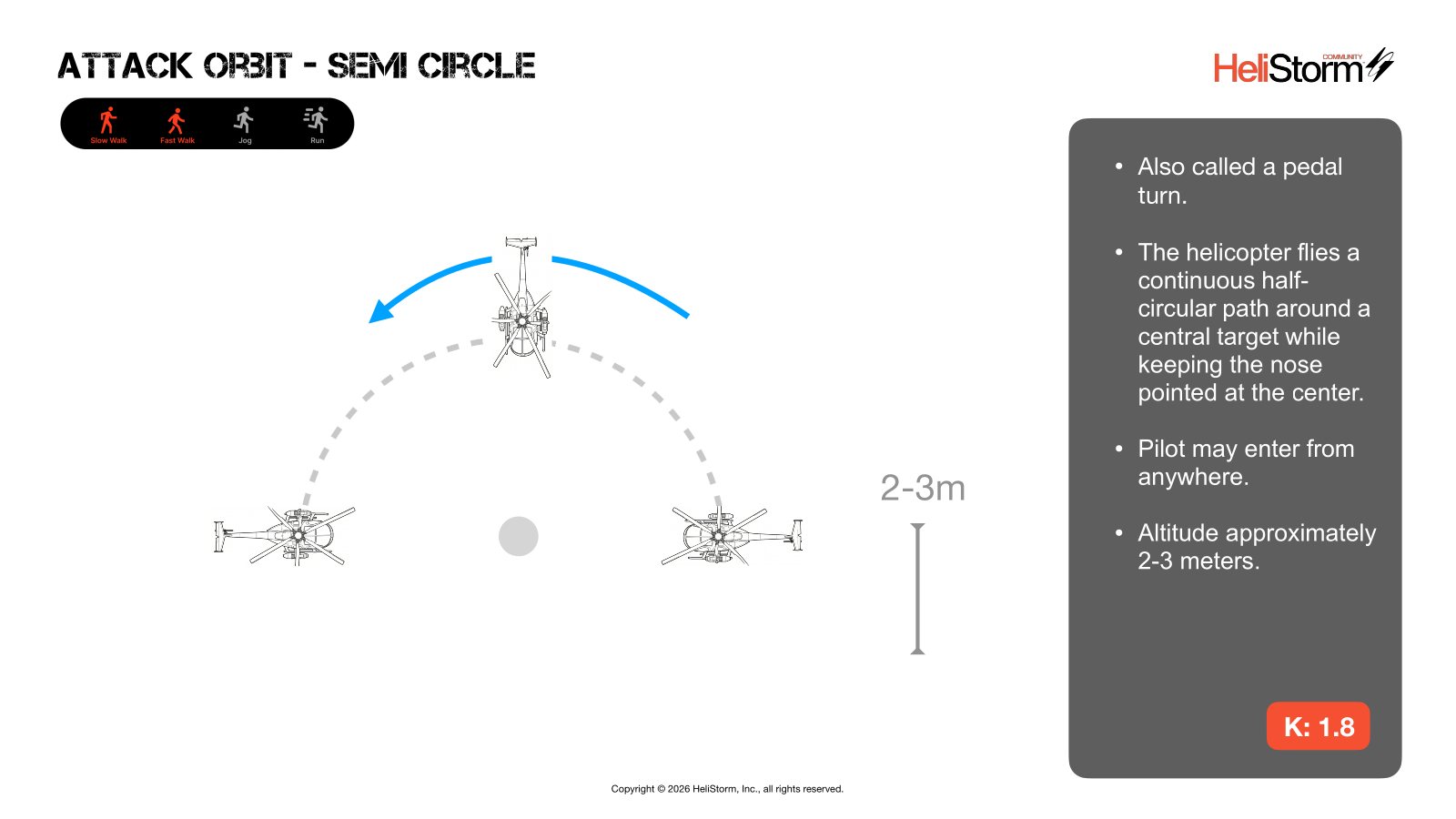
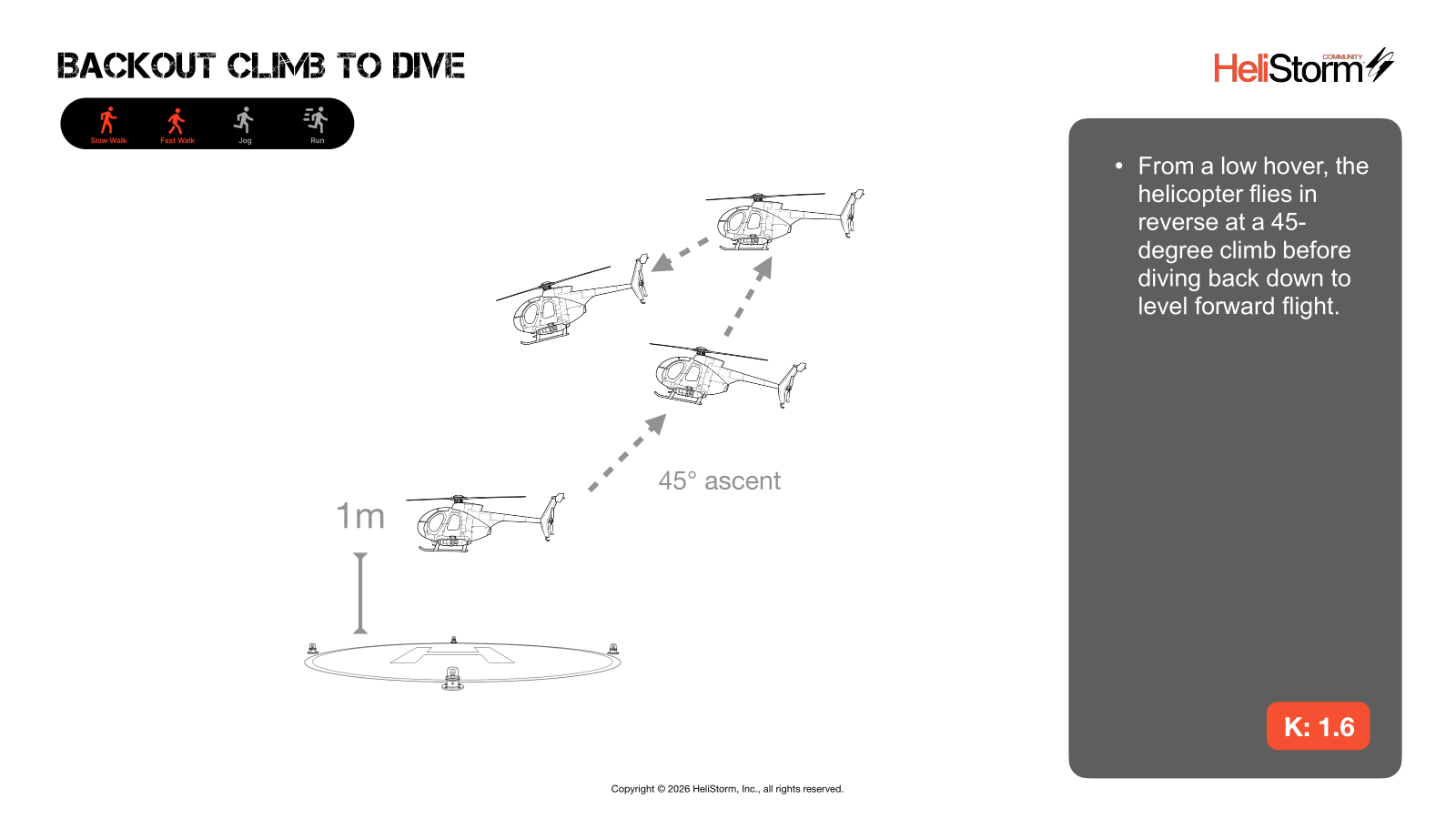
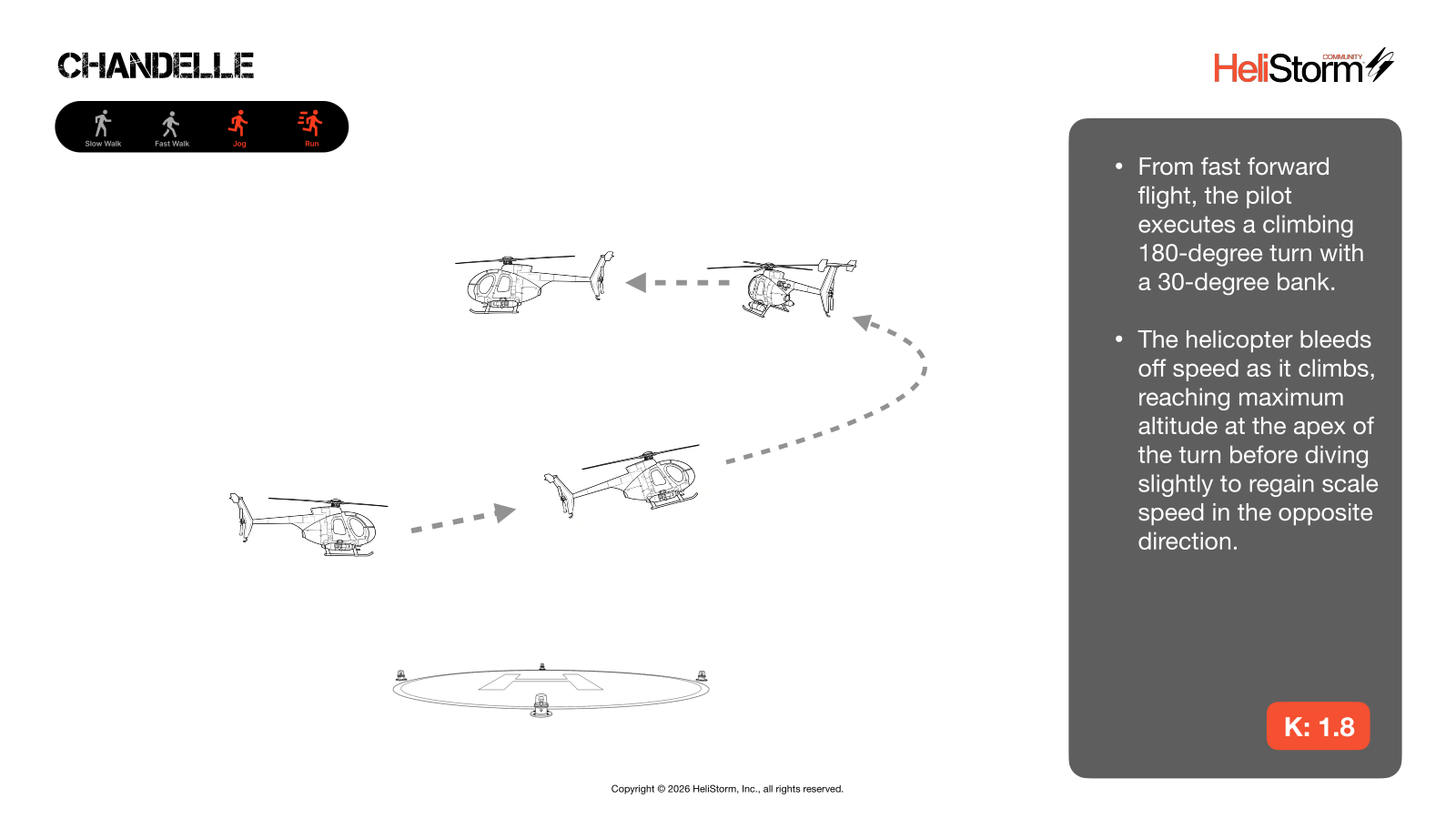
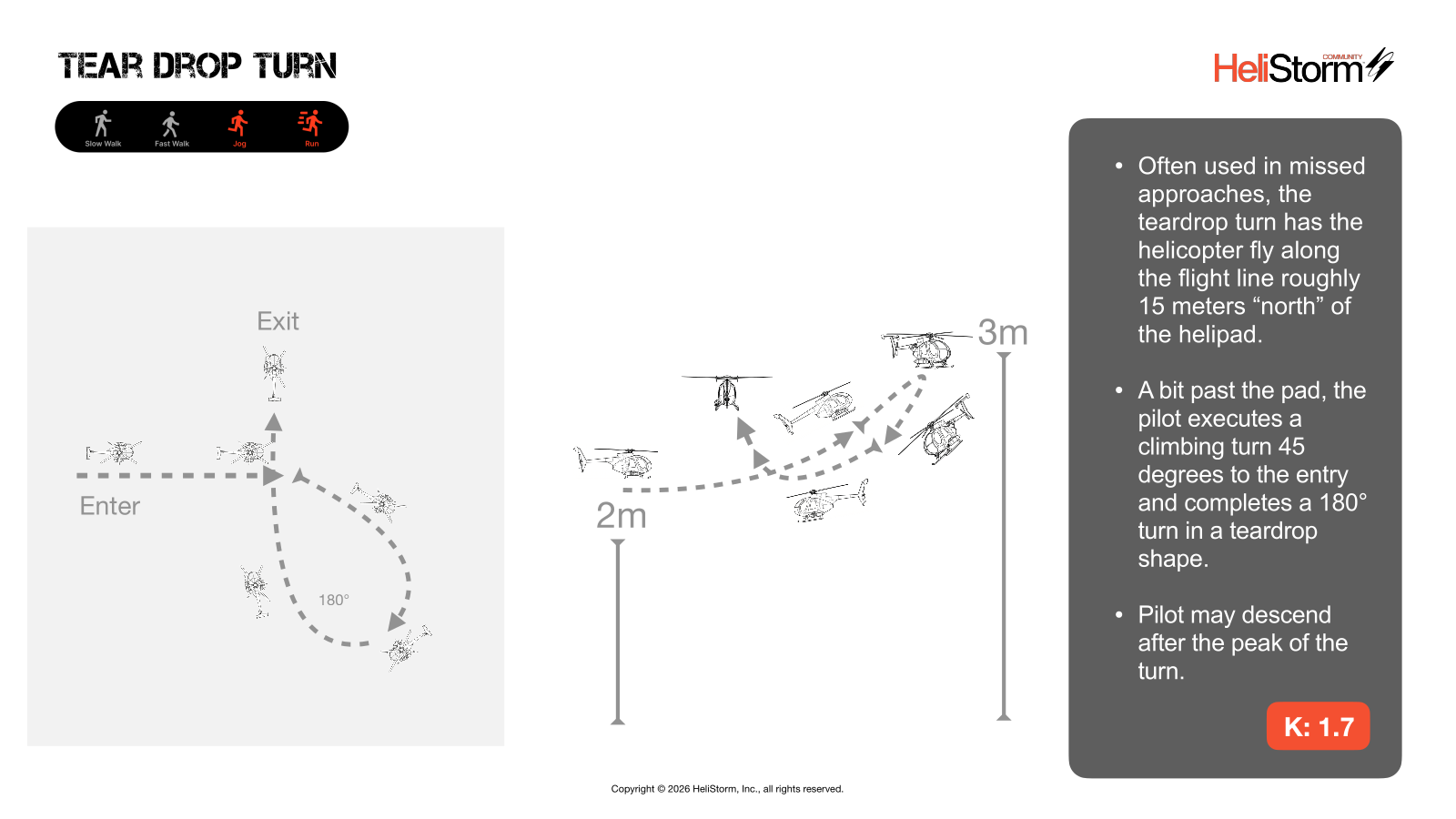
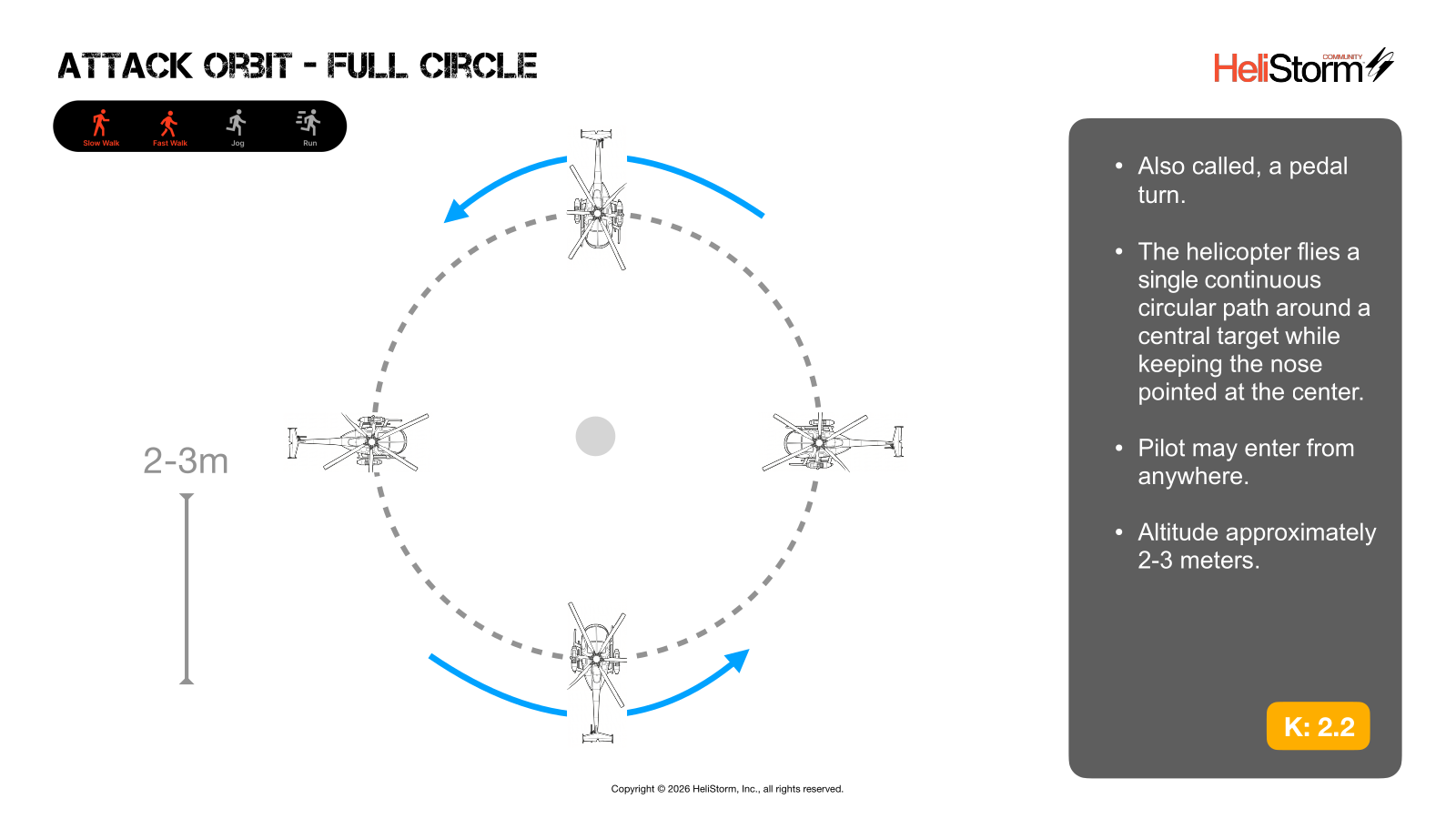
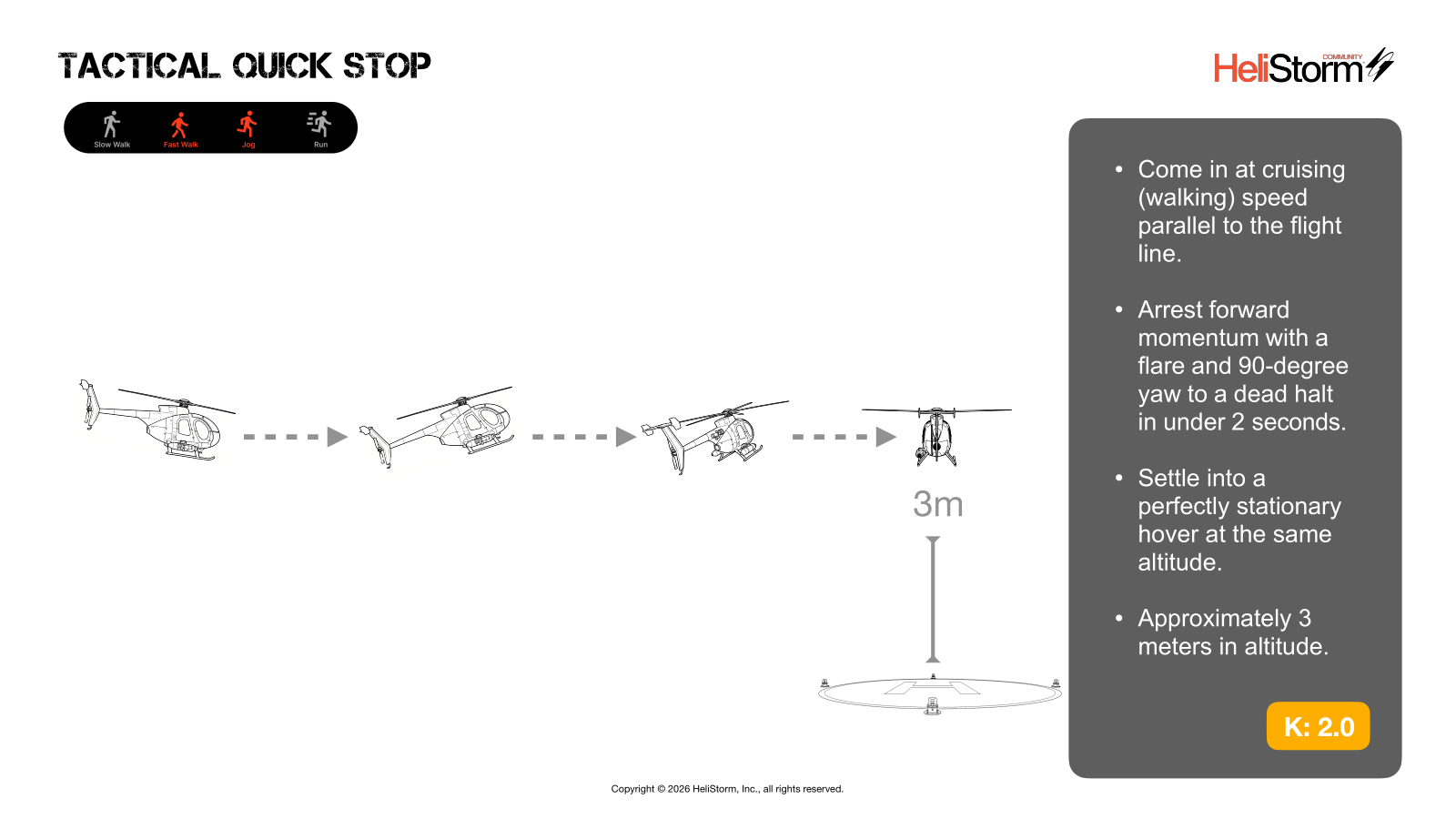
The HeliStorm® maneuver list is not exhaustive. Event hosts may use the LiveJudge™ software to add or remove maneuvers. Diagrams of each maneuver are in Appendix A.
COMPETITION — SECTION 4
The HeliStorm® static model criteria is not exhaustive. Event hosts may use the LiveJudge™ software to add or remove criteria and evaluation standards.
Evaluate the overall construction and finish quality against established modeler standards. Scale (hardware/size), cleanliness of wiring/build, attention to detail.
Masters OnlyGrade the overall execution of the build/assembly taking into account what is expected of the builder. For ARF modernizing/detailing, consider dry structures, finish or other modifications to the factory kit.
Challenger OnlyJudge the quality of the paint, markings and weathering given the subject type. Consider how the model is weathered based on its real-world counterpart. Reward extra work on the exterior. Award an average (5) for a model with no additional finish.
Challenger OnlyJudge the fidelity of the paint and weathering given the subject type. Military models are mostly flat and drab, for example. On all models, consider how they are weathered.
Masters OnlyWhat is the story behind the model? The documentation does not need to be of the precise livery of the model; just the same helicopter so the judge can determine how well the features match up. Reserve high scores for thorough documentation.
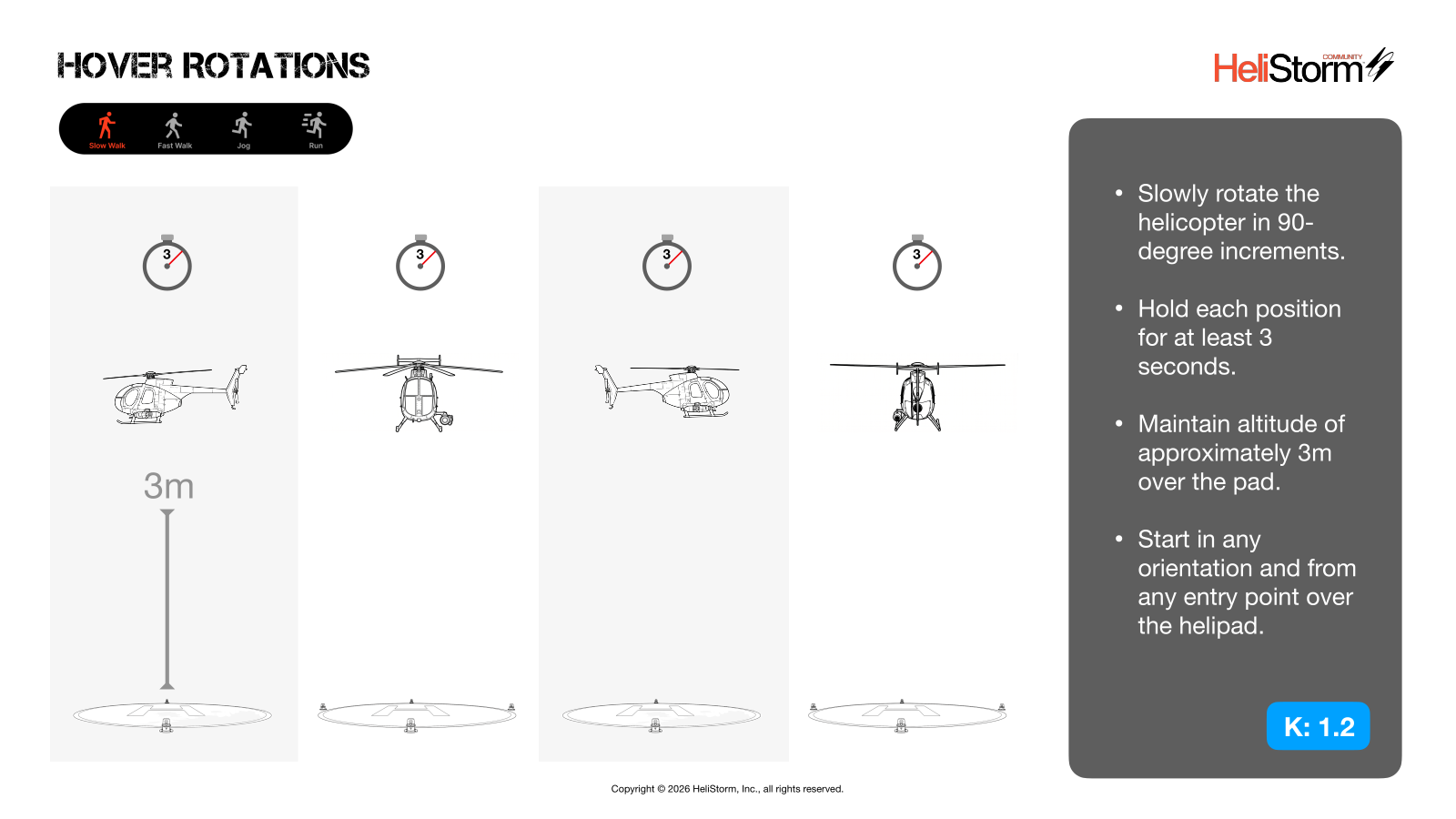
All ClassesPilot lifts the helicopter into a hover with skids 6–8 feet off the deck. Pilot holds the hover sufficiently to demonstrate control.
Challenger OnlyThis is the “wow” factor of the model.
All ClassesEvaluate scale fidelity of the model based on fuselage outline & detail, cockpit, landing gear, rotor head and overall craftsmanship in the model.
All ClassesTECHNOLOGY — SECTION 5
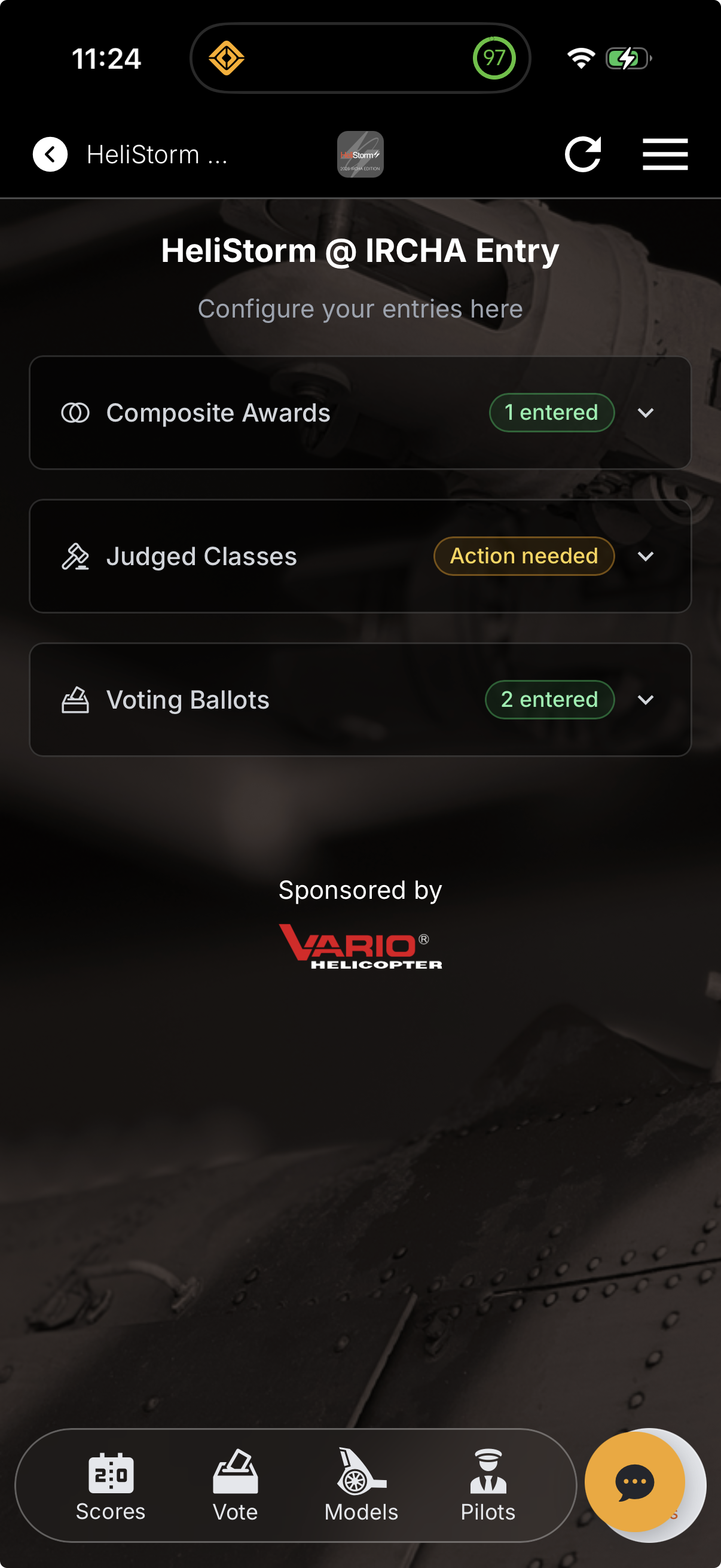
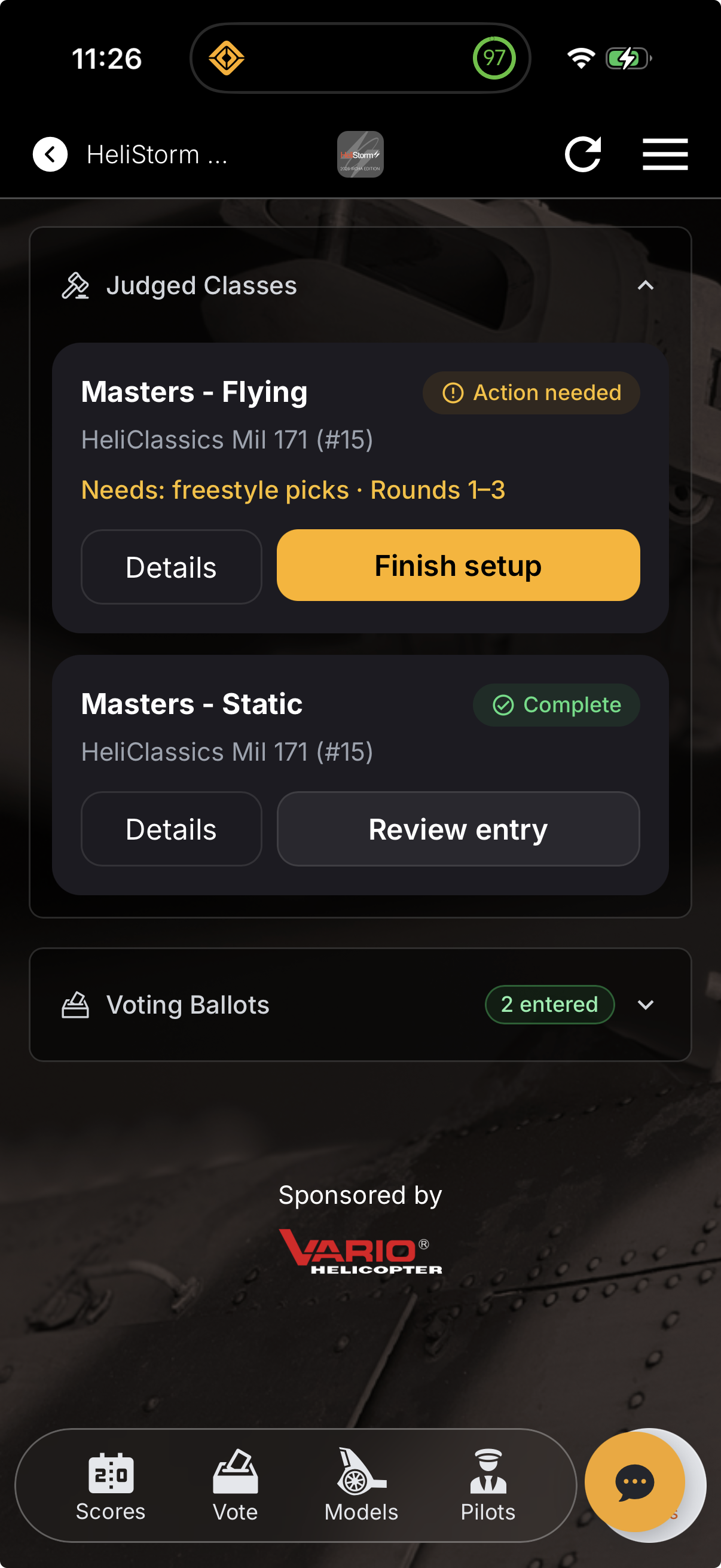
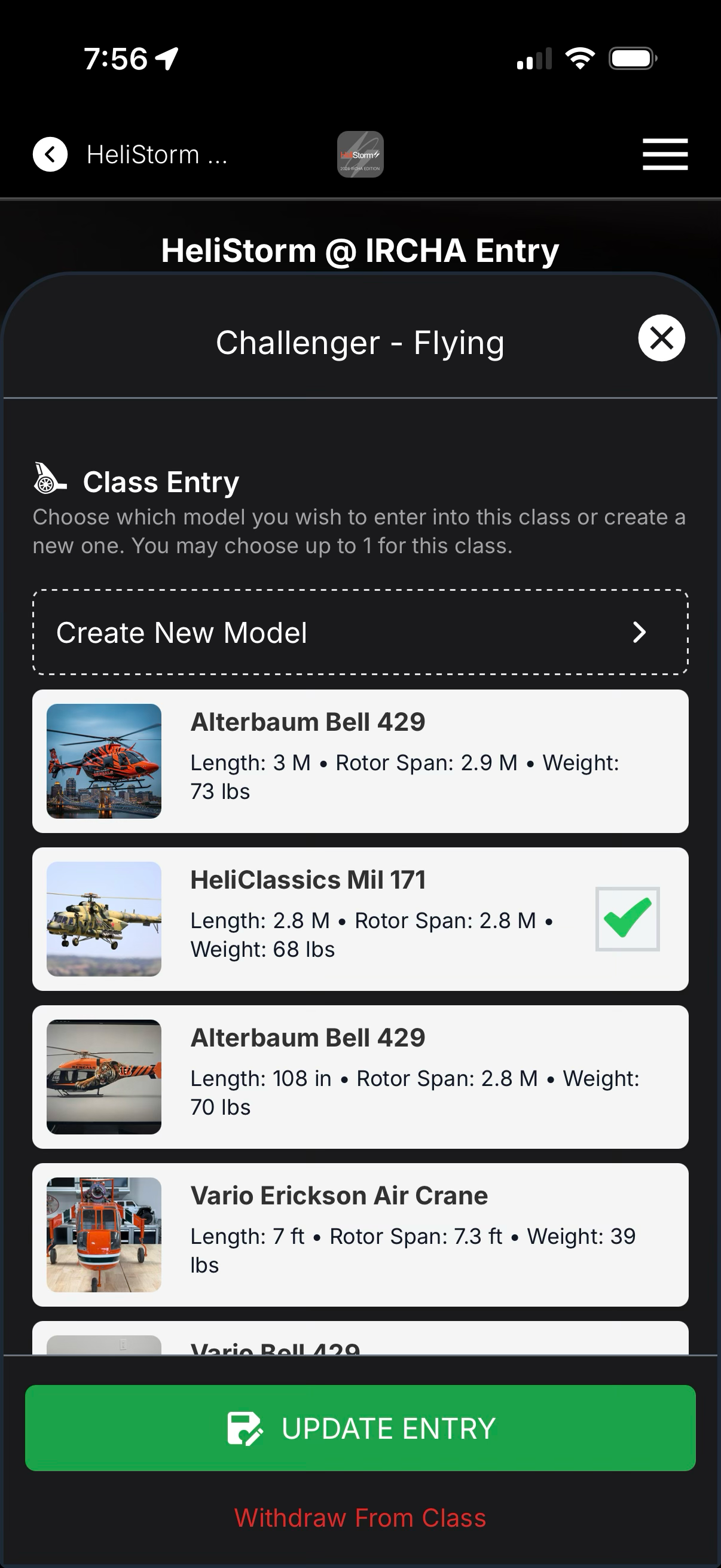
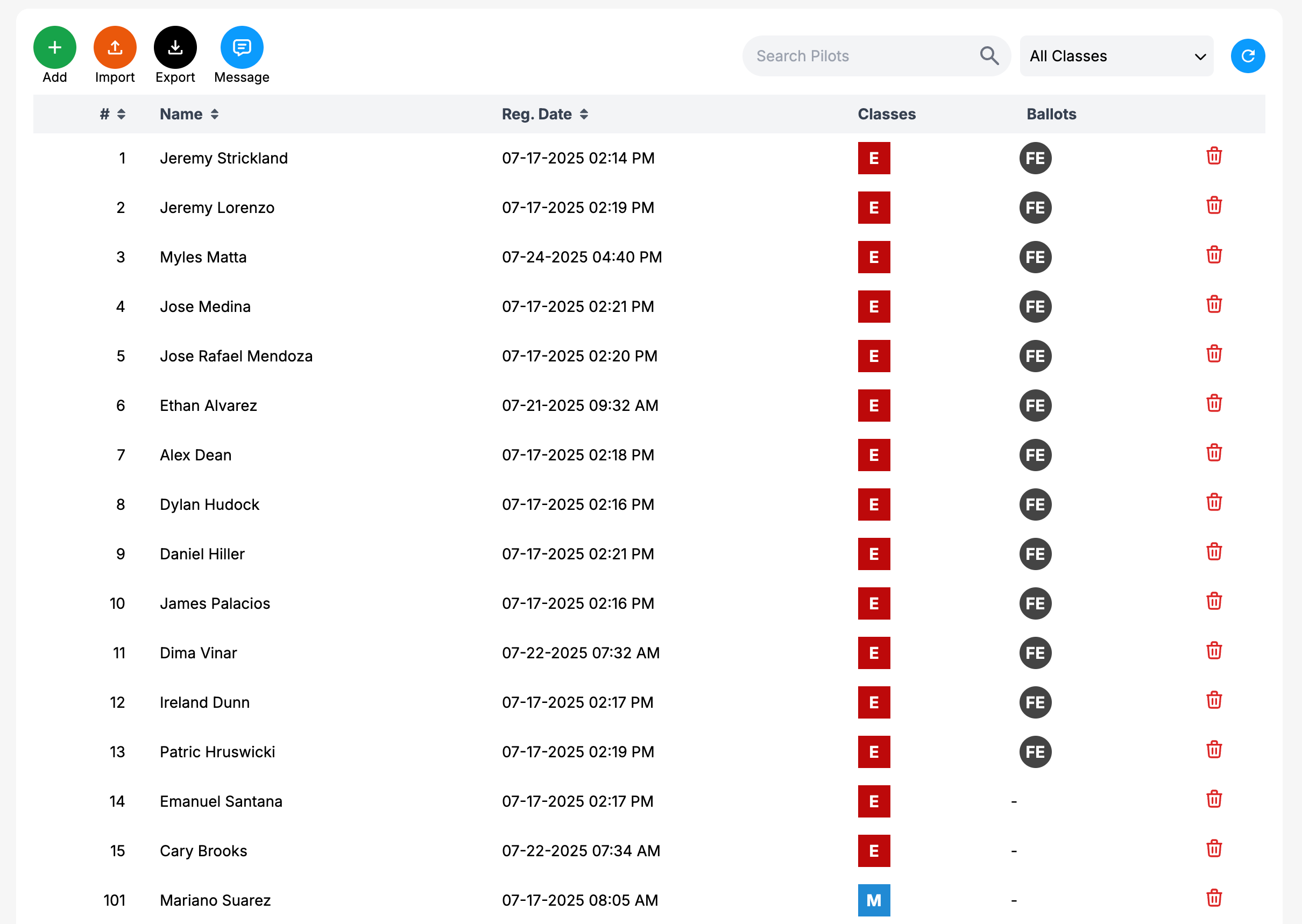
To run a HeliStorm-sanctioned event, the host uses the LiveJudge™ platform. Contestants sign in with NO PASSWORDS OR DOWNLOADS — by scanning the event QR code they see the classes they entered and select their freestyle maneuvers.
TECHNOLOGY — SECTION 5
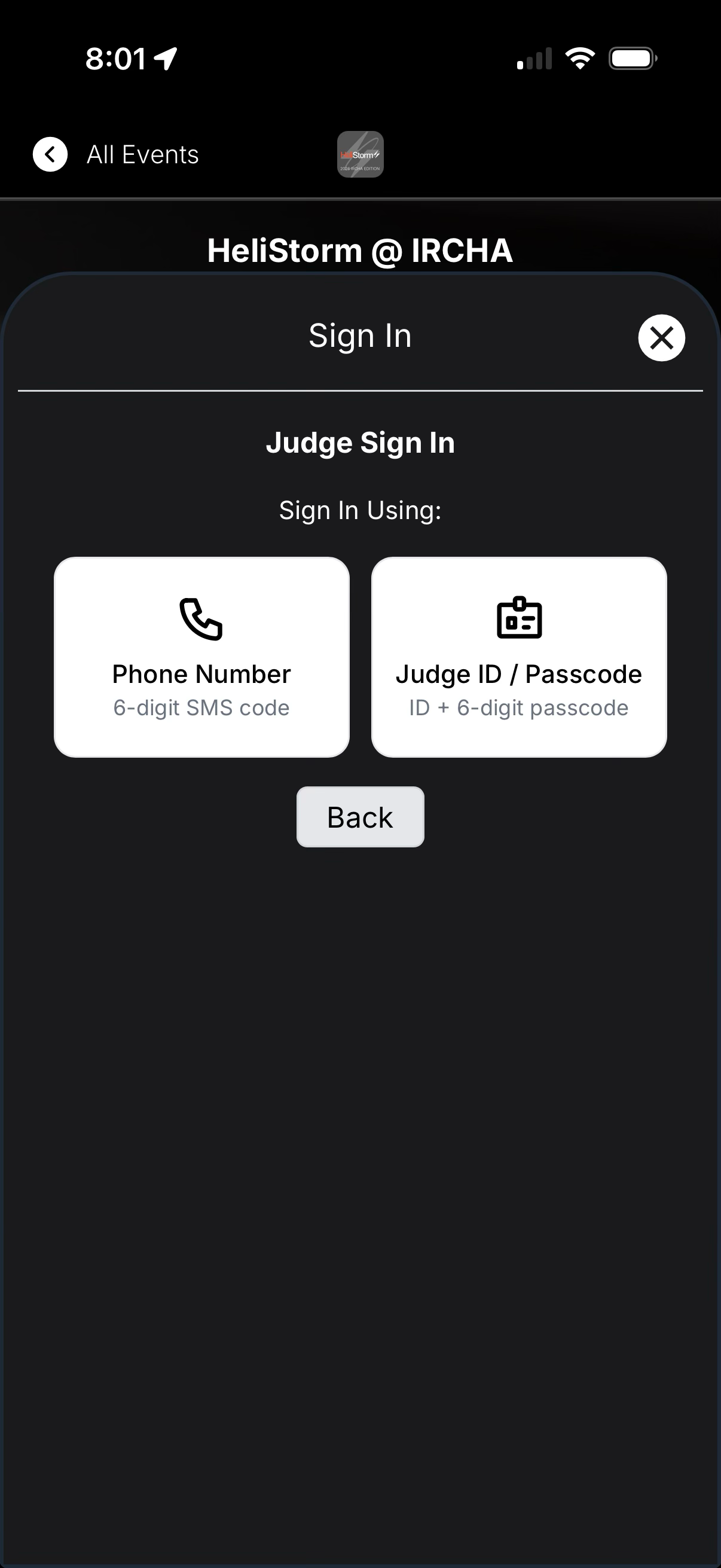
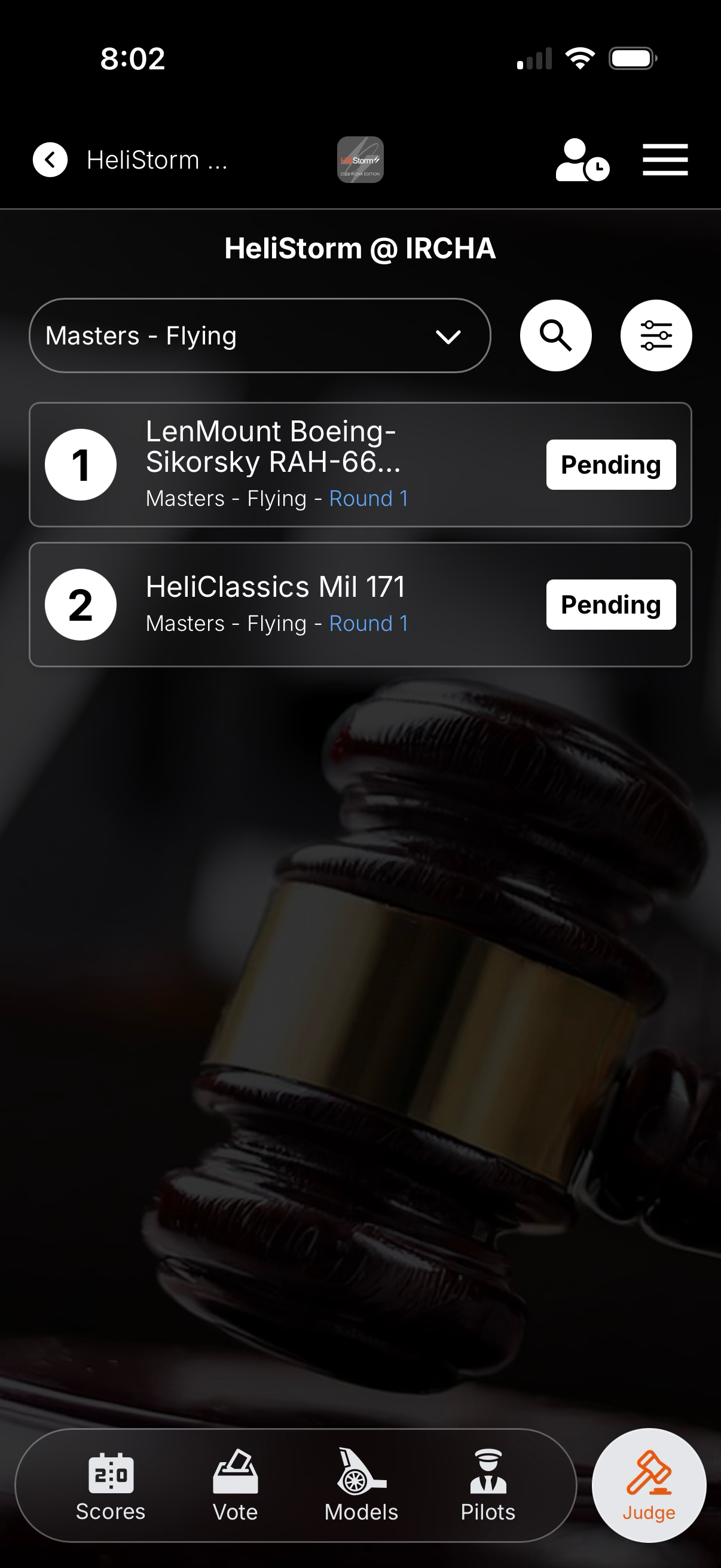
Assigned judges sign in with NO PASSWORDS OR DOWNLOADS. By scanning the event QR code, judges can immediately begin scoring or look over pilot routines.
TECHNOLOGY — SECTION 5
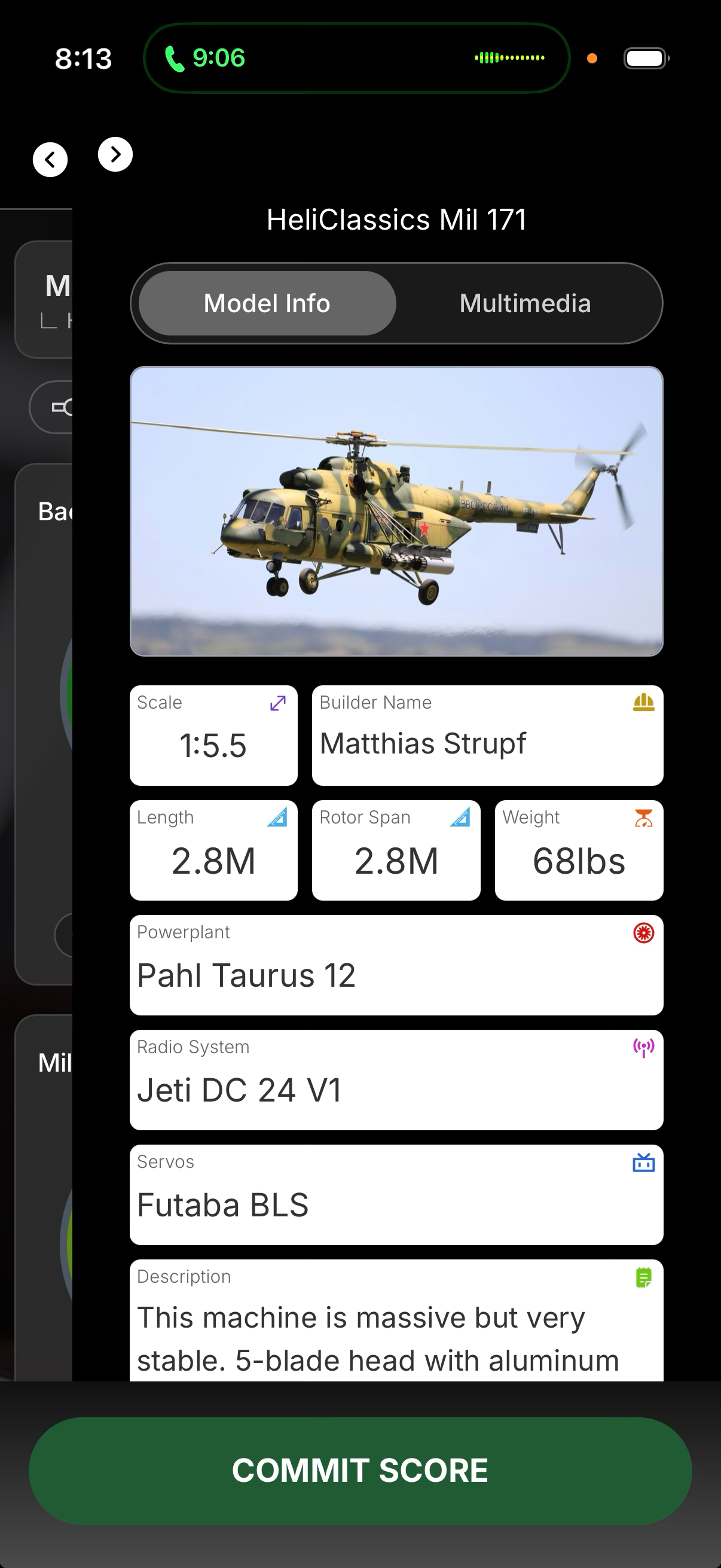
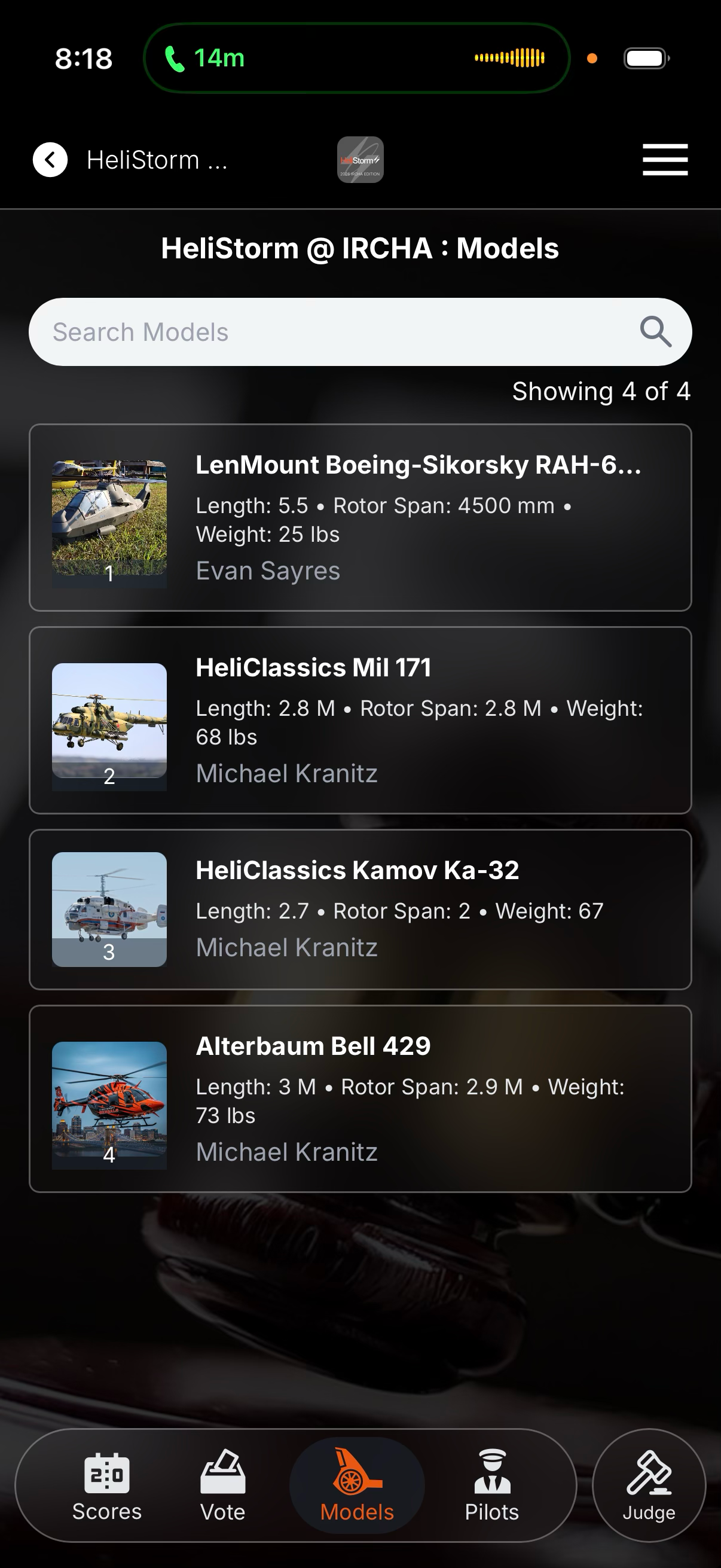
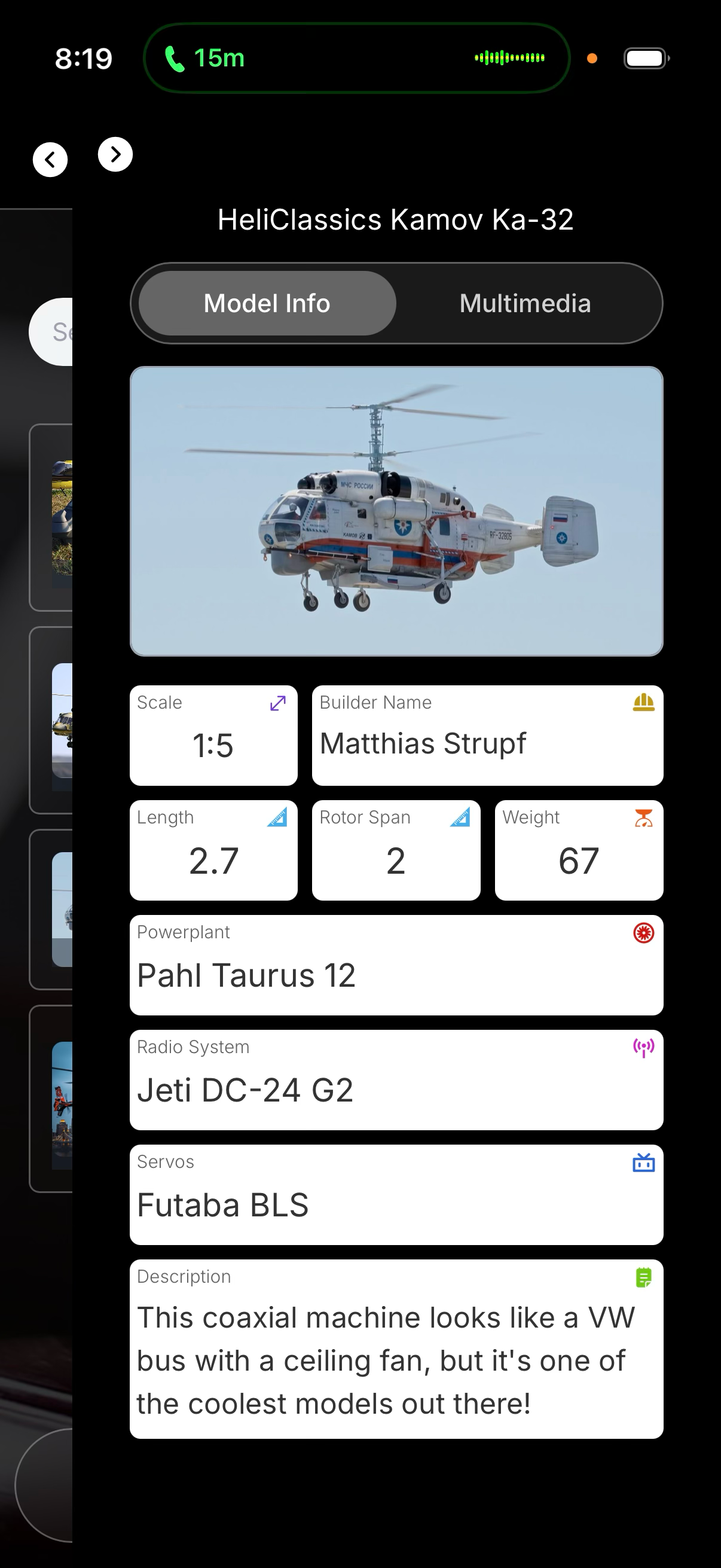
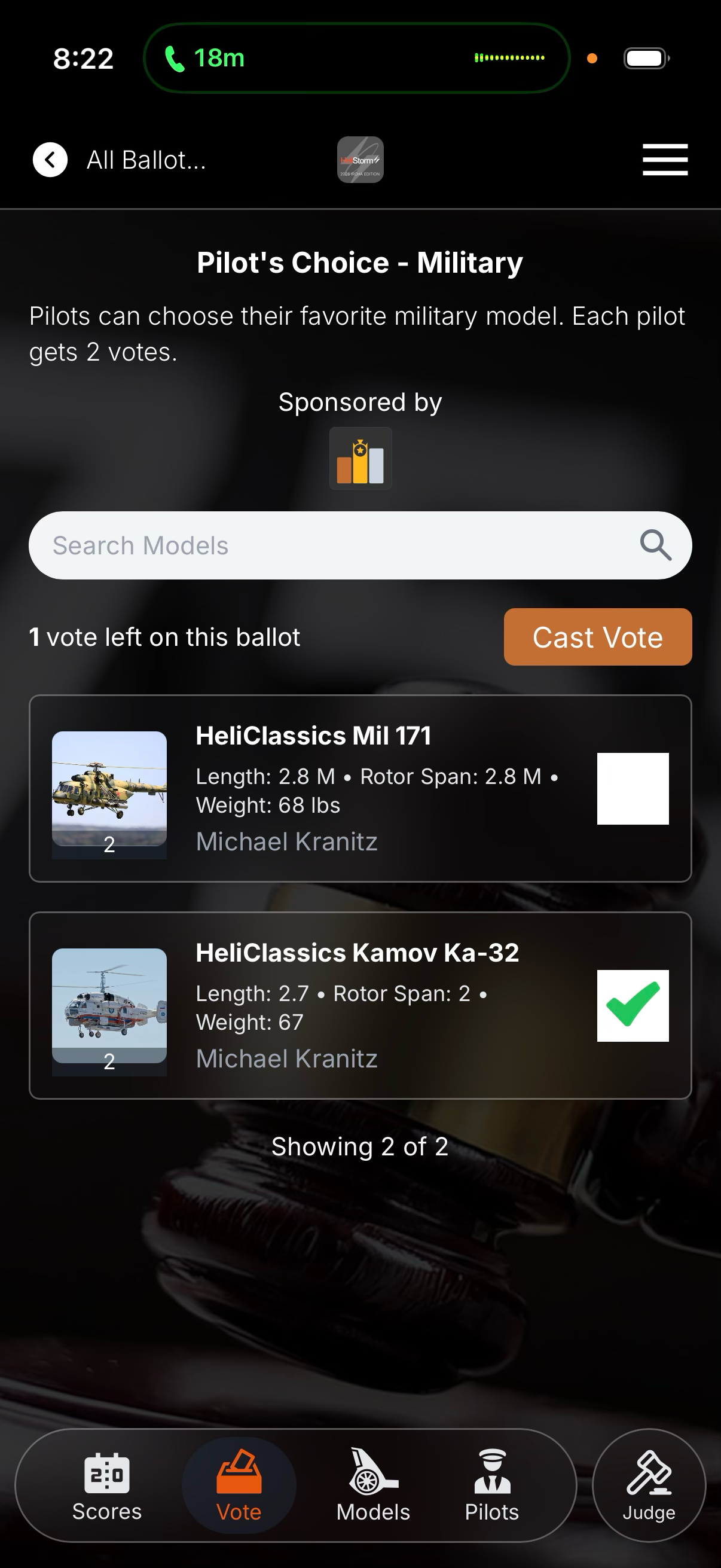
Engaging fans is key to growing the hobby. Spectators scan the event QR code to view models, pilots, specs and scores — and vote on “favorite” ballots — with NO DOWNLOAD AND NO LOGIN.
TECHNOLOGY — SECTION 5
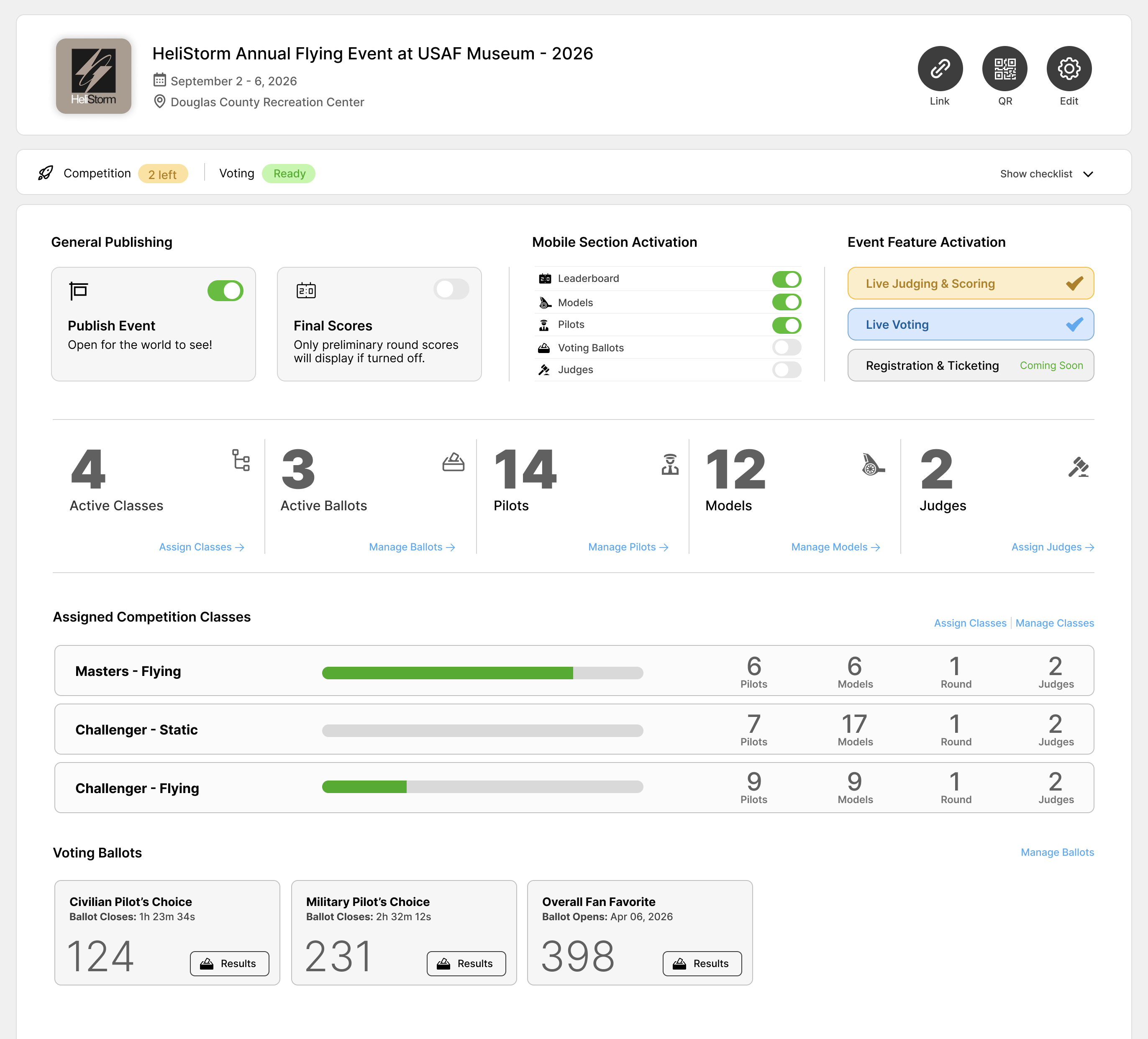
When creating a new organization and event in LiveJudge™, most of the work is finished within the first 90 seconds. The admin area is accessed on a desktop or laptop computer.
MANEUVERS — APPENDIX A
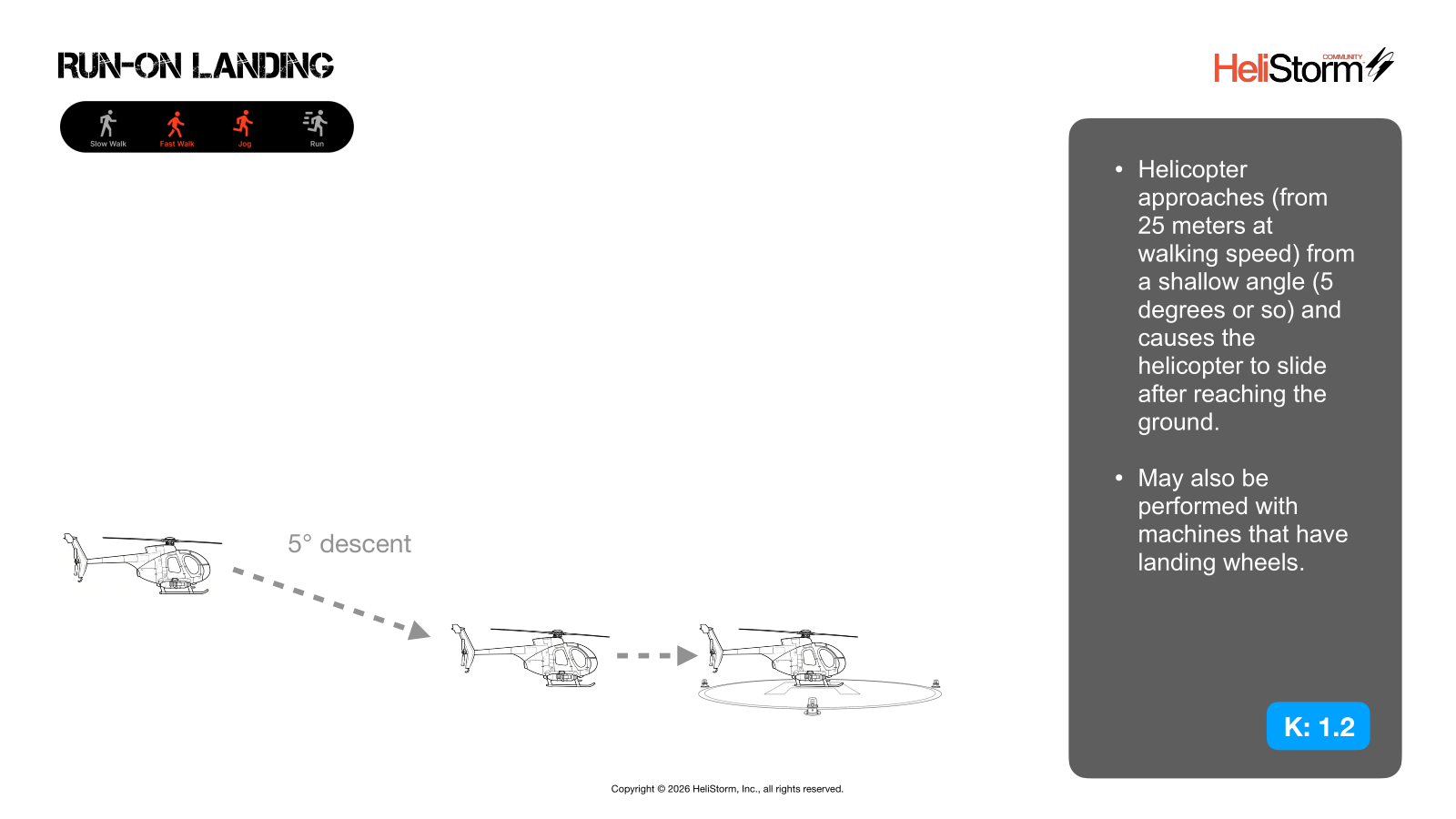
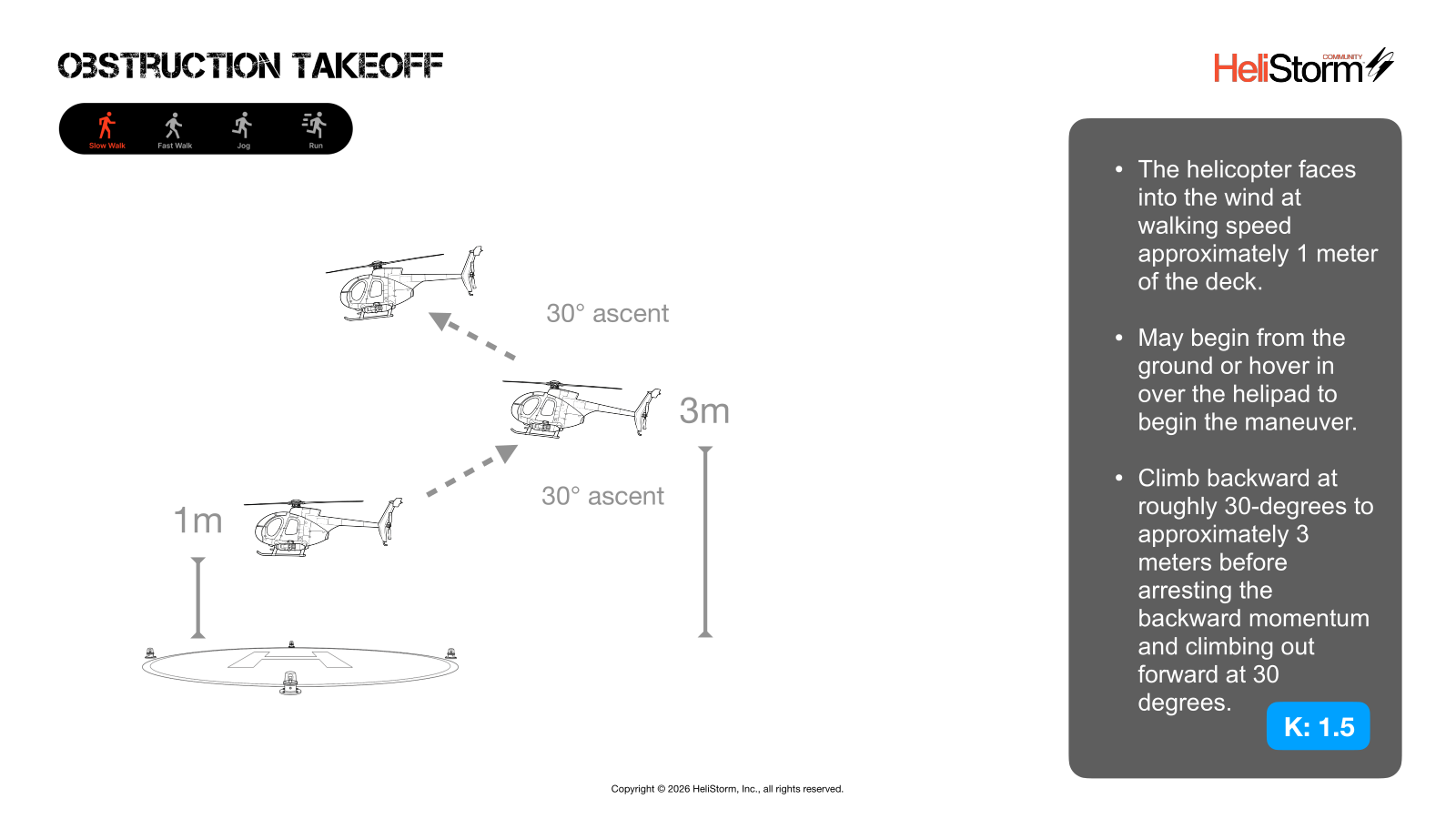
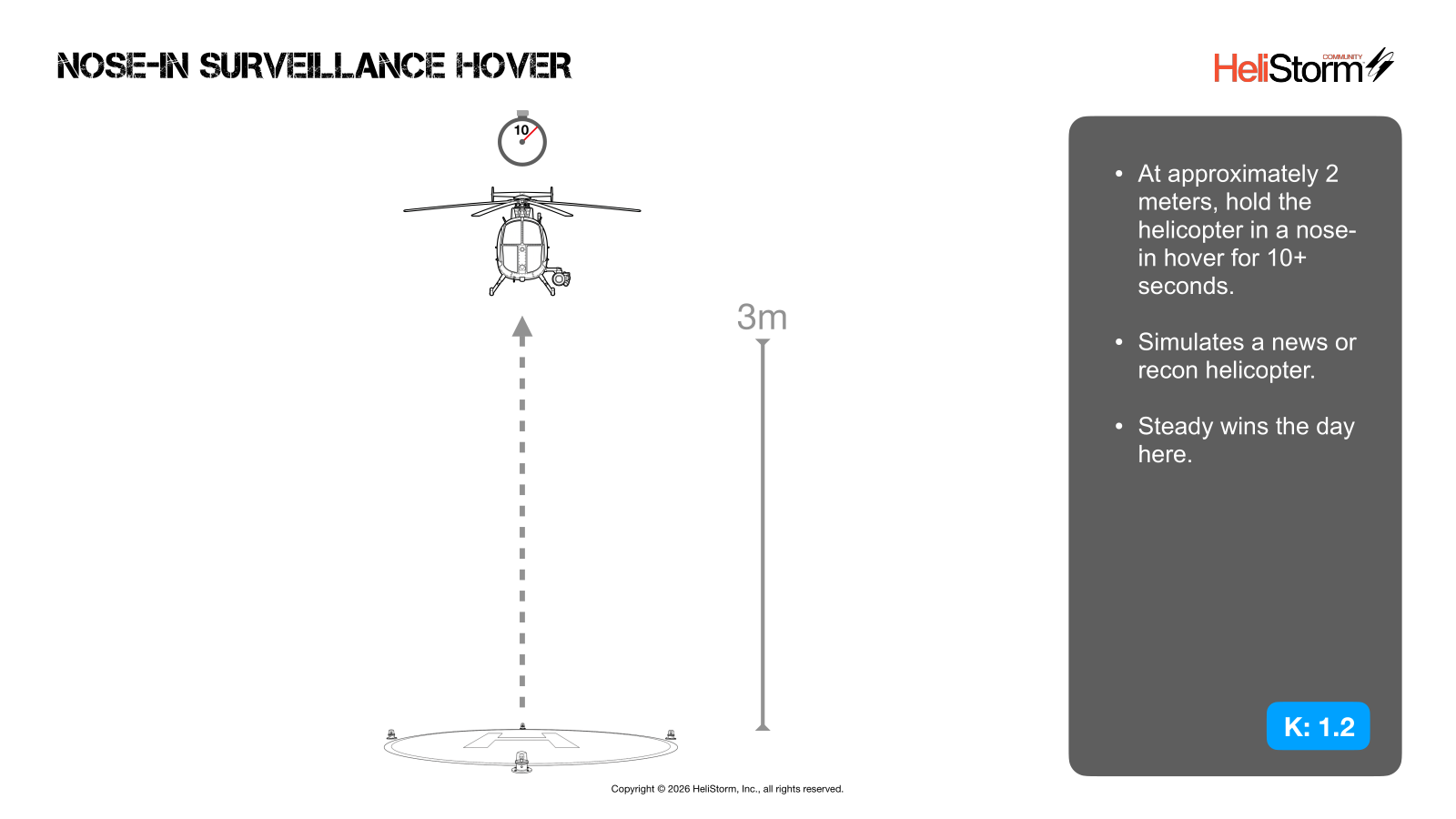
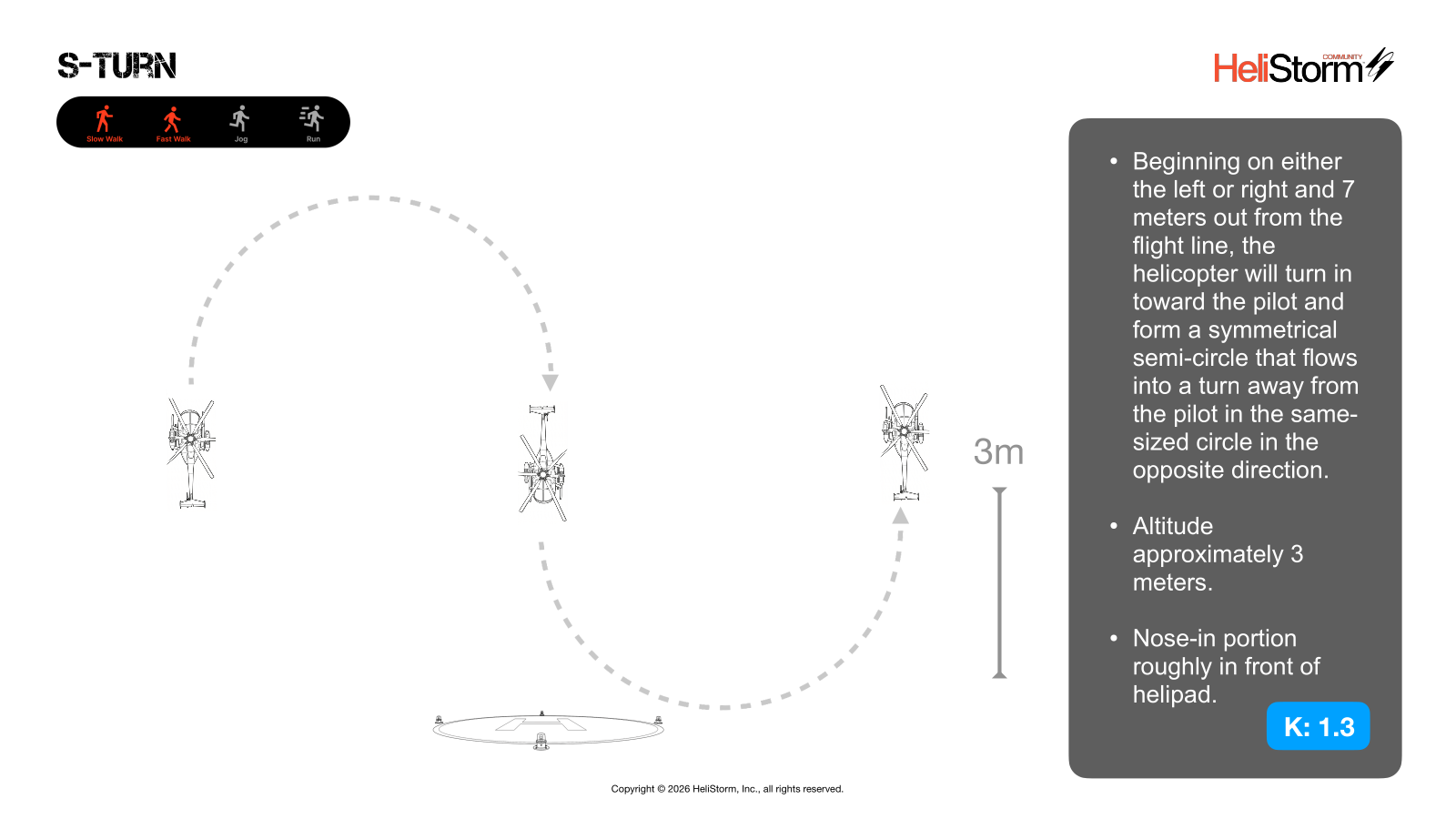
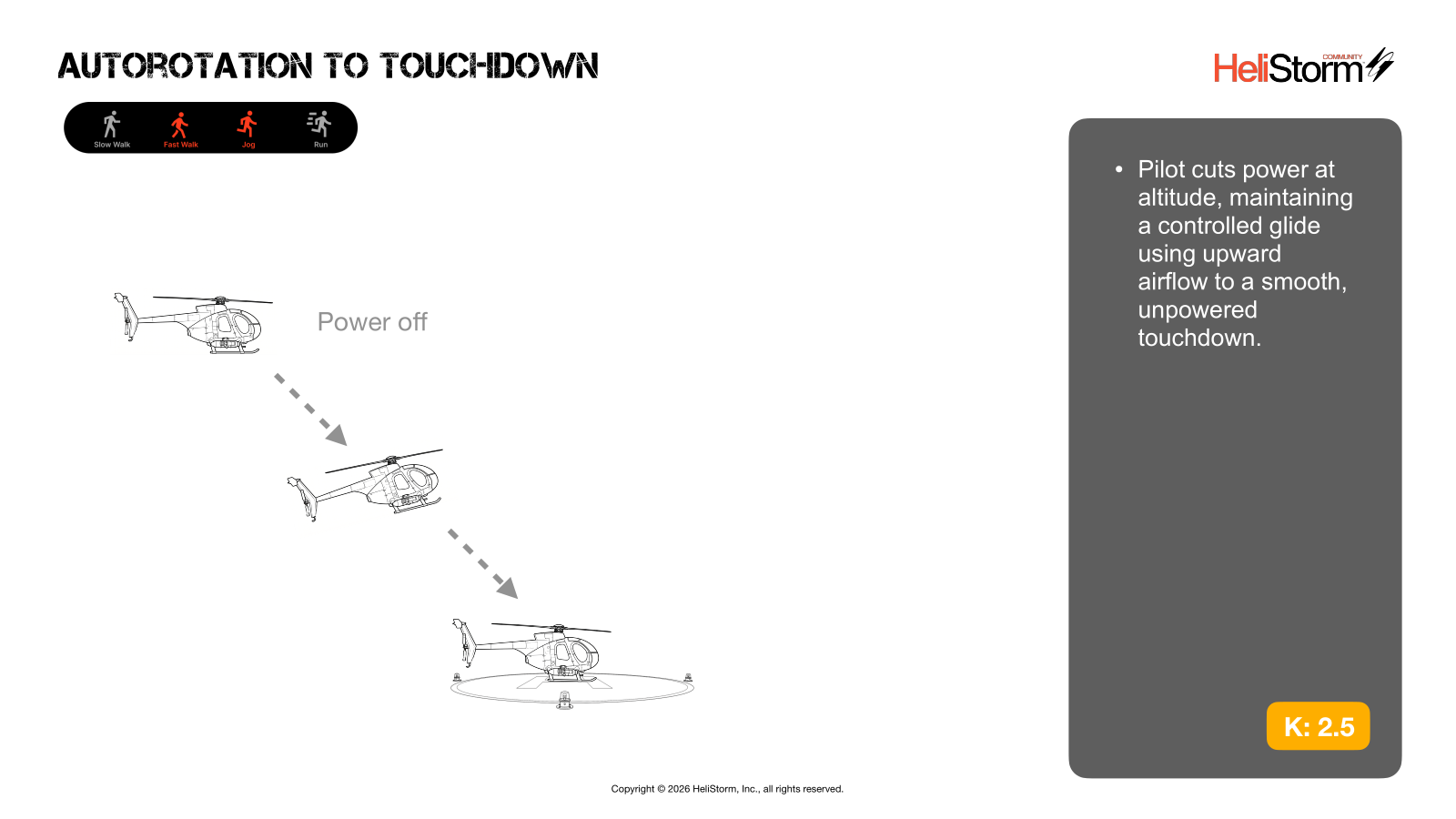
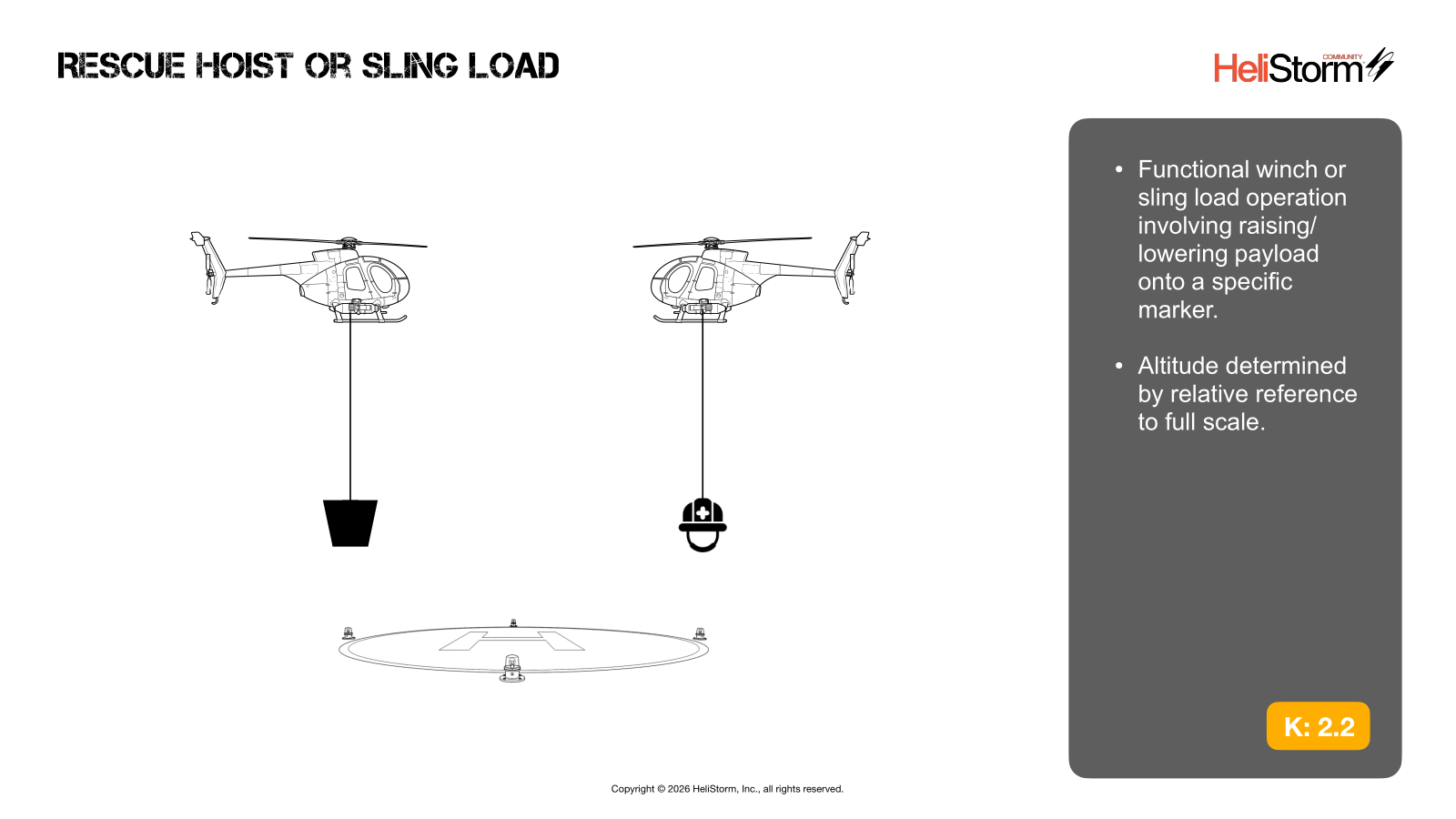
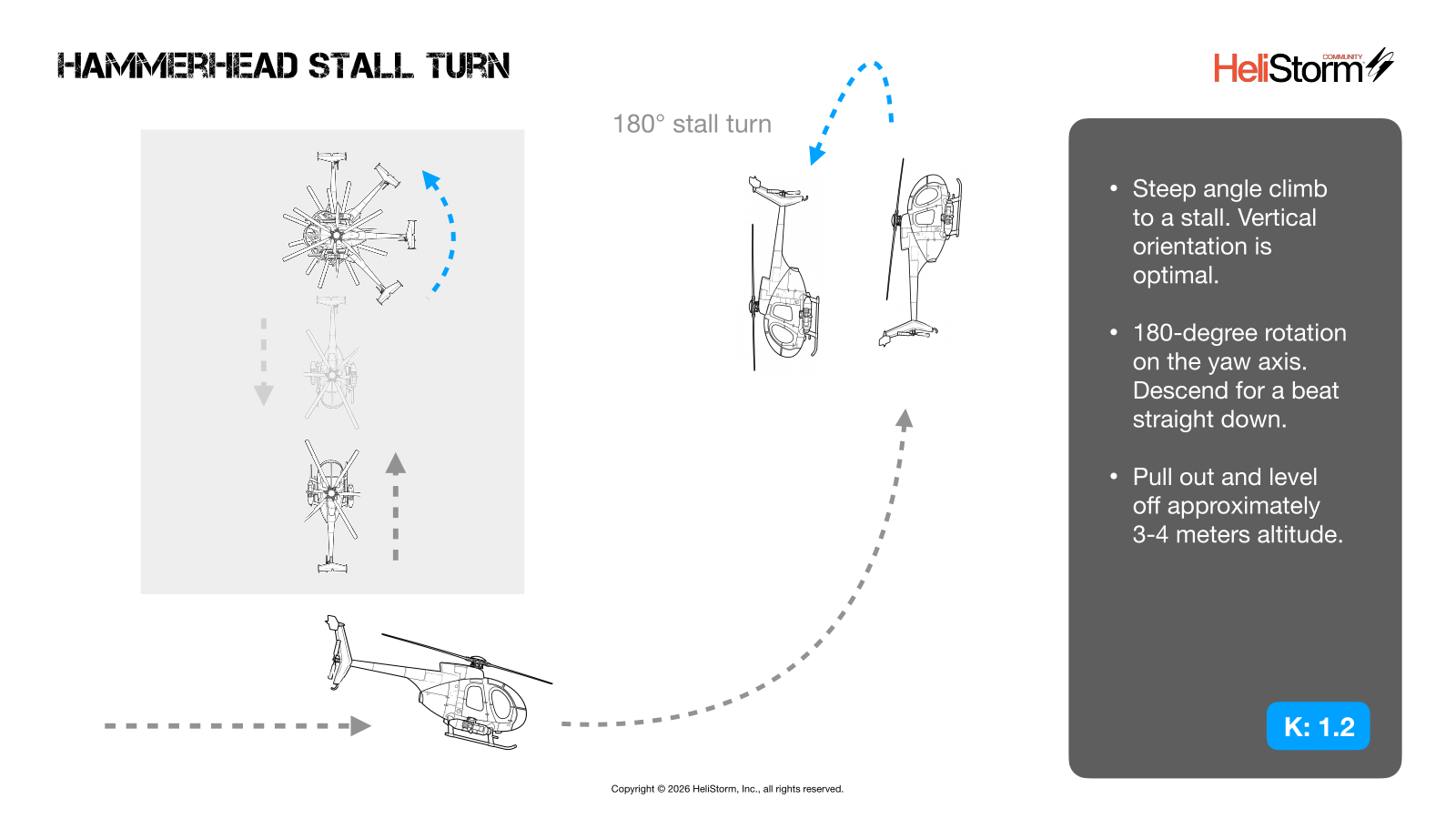
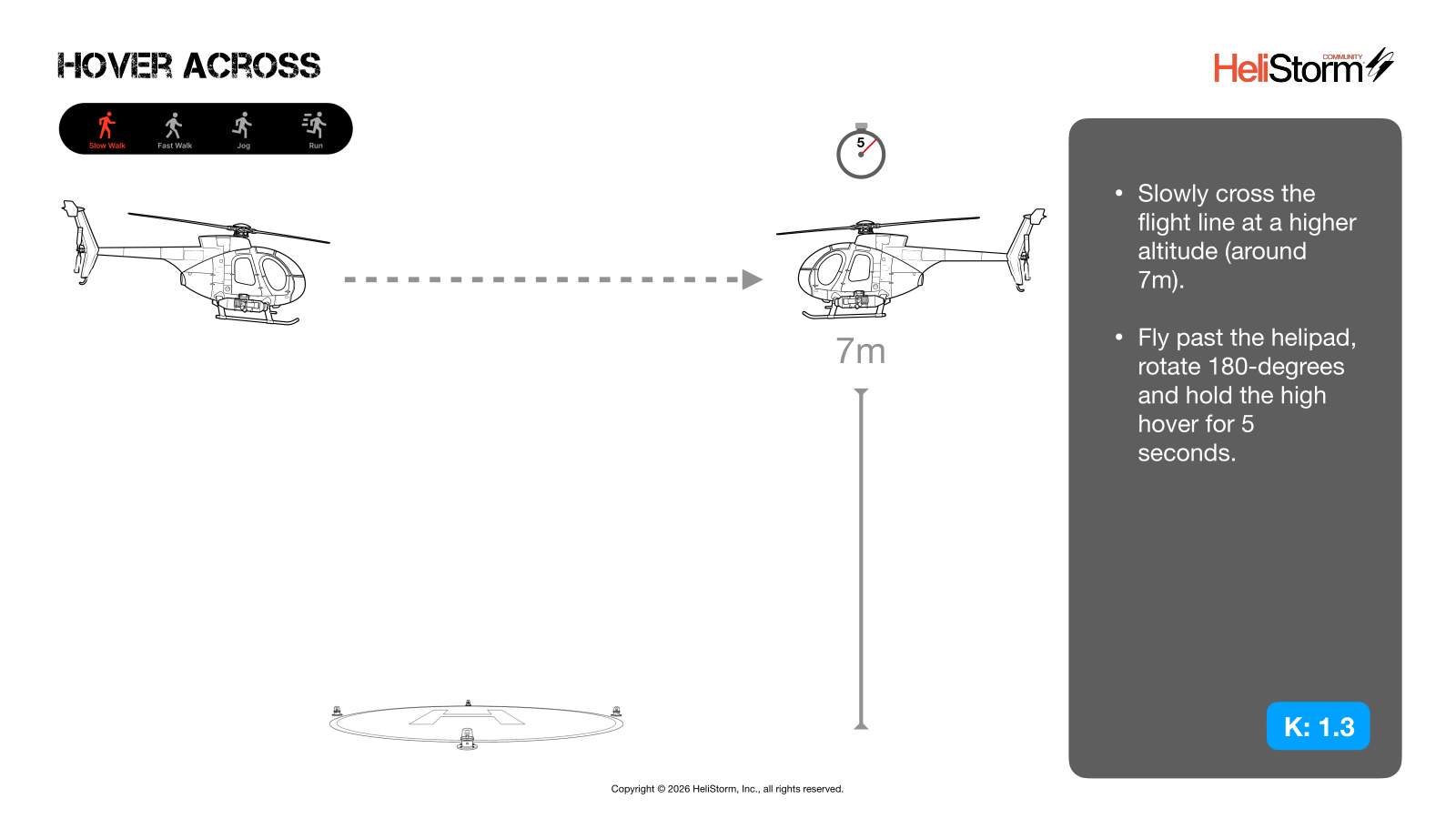
All 39 contest maneuvers, with difficulty coefficients.